“LETTING THE GAME COME TO ME”

It is not uncommon that I begin writing not knowing where my reflection will go. I simply start with what has energy for me. I follow my conscious and unconscious streams of thoughts and often end up discovering what is in store for me. Today’s entry is a good example.

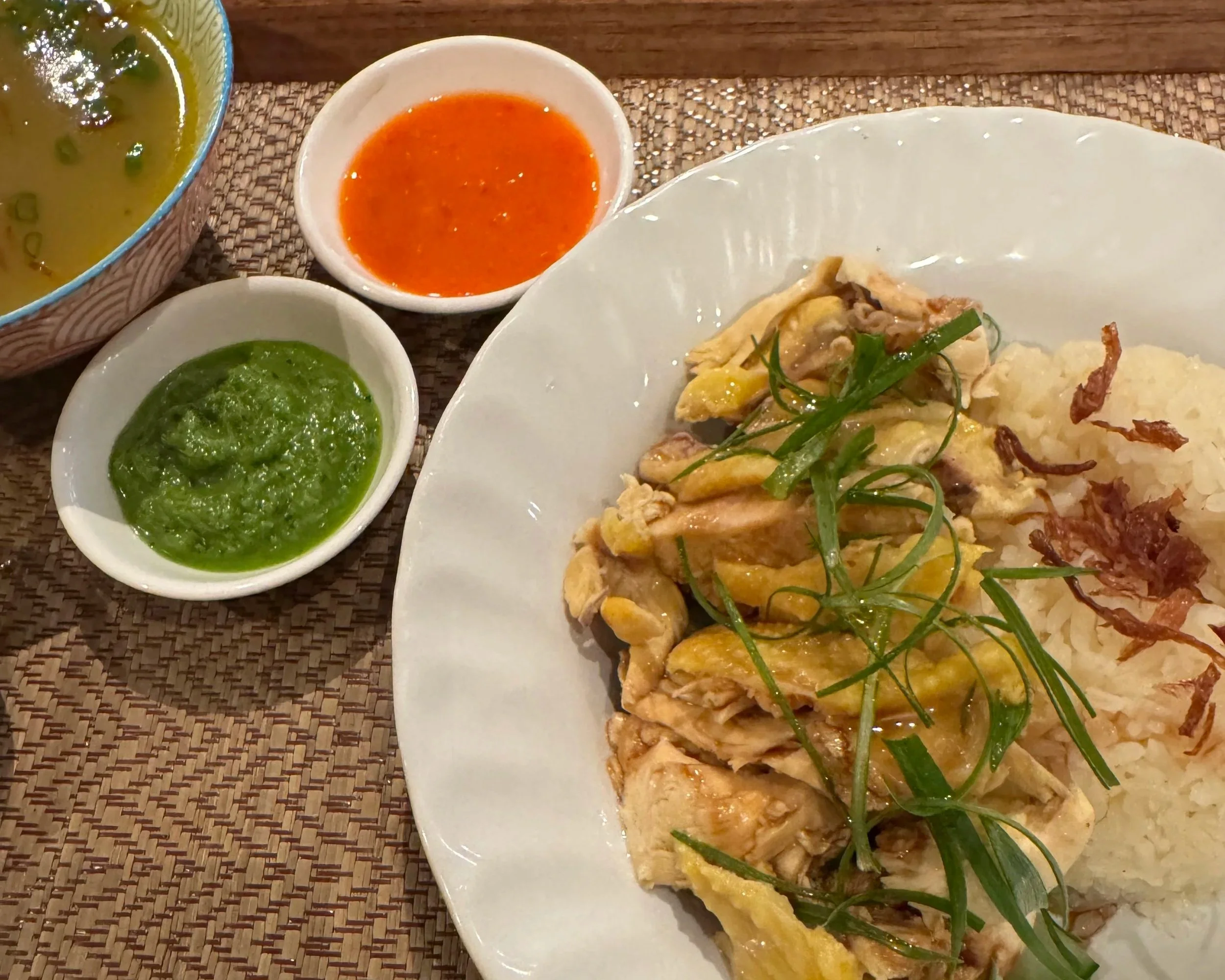
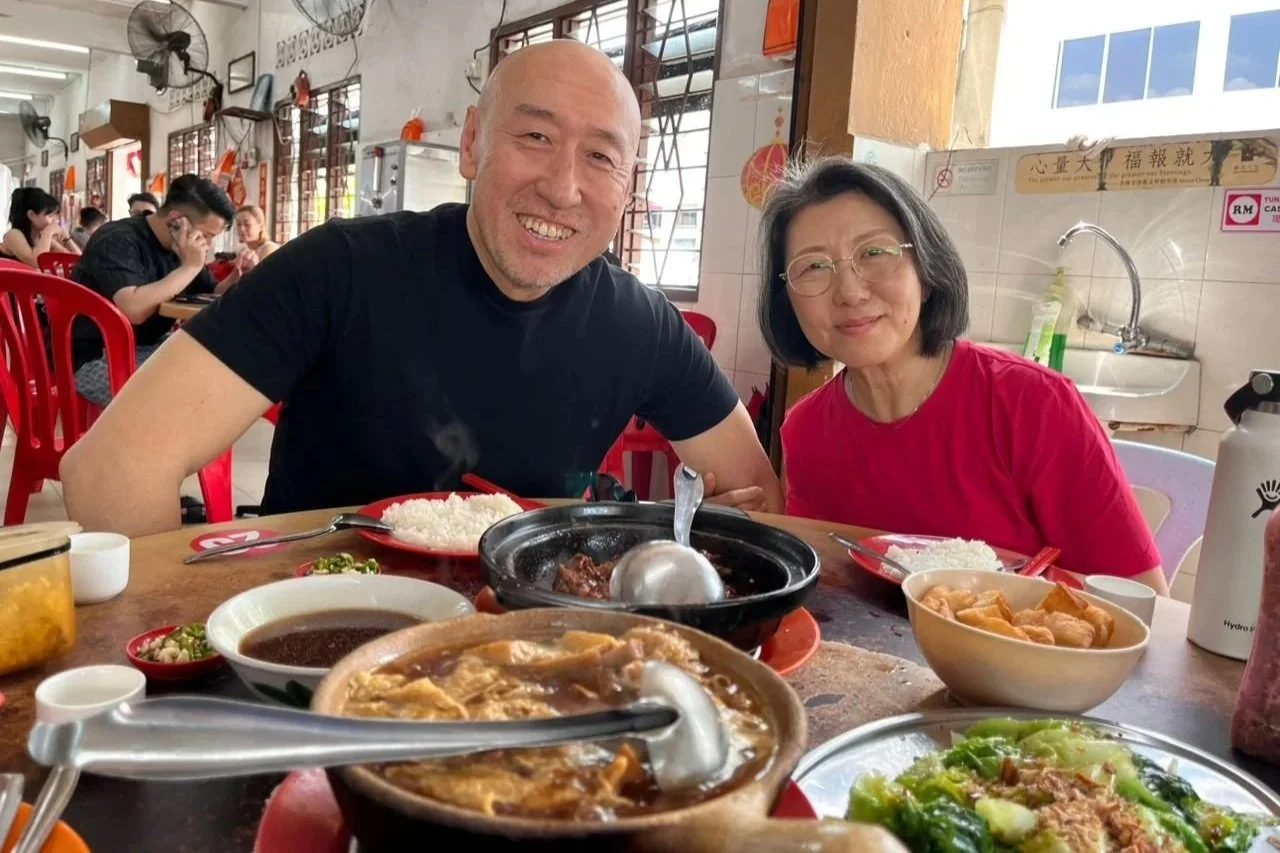
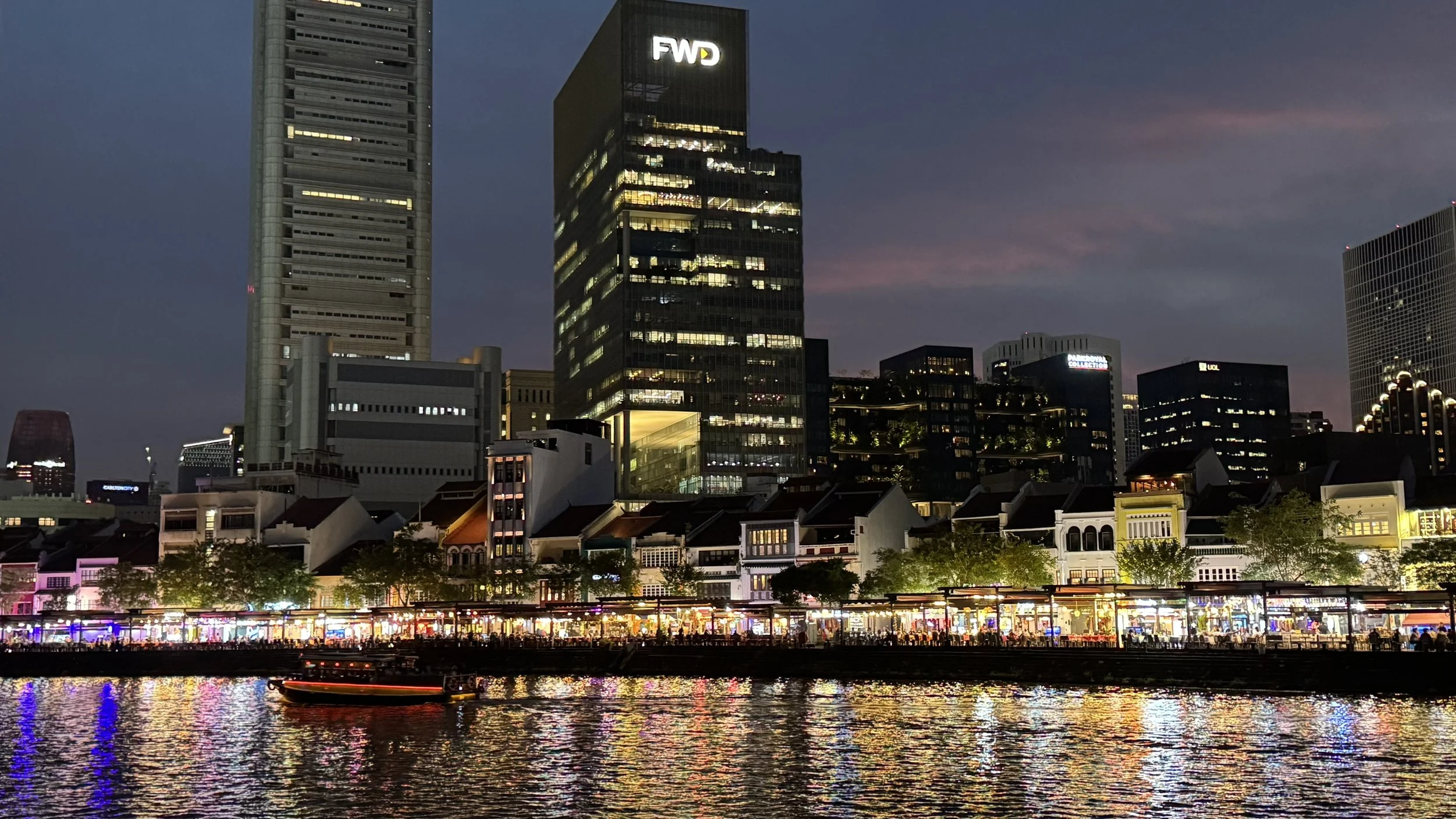
I am still in the middle of celebrating my 63rd birthday, though my actual birthday has come and gone. I was told that this year’s birthday is a once-in-a-lifetime birthday known as a platinum or diamond birthday, where the last two digits of my birth year, 1963, match my age, 63. So I decided to milk my birthday celebration beyond my actual birthday with the help of dear friends in Singapore and Malaysia. For one, it has been a non-stop feast, from Hong Kong dim sum to Peking duck, from Japanese ramen to Hokkien Prawn Mee noodle soup, to Bak Kuh Teh, and home-cooked Korean meals, over the last week. Much more than the delectable foods, I am pinching myself with the grateful realization of precious, like-minded, and similar-path-journeying friends, both in Southeast Asia and far away. I count my blessings often to know that I have such fine fellow peregrini. As I age, I consider my adult children and their spouses more as friends or fellow pilgrims than children.

Somehow, without planning, I’ve done things this week that I haven’t done in a long time. Maybe this pattern of trying new things will define this year? I wondered. Our Singaporean friend and host invited me to join his weekly yoga class. He warned me that most participants would be middle-aged Chinese Singaporean women, and he and one other man would be the only token men there. He tried to relax me and encourage me at the same time by saying it’s a “gentle” class, meaning there’s no crazy twisting or ungodly contorting. Thanks to the pandemic, I did do yoga for about a year with my wife, and I remember being quickly humbled as my stiff body experienced near torture. The profusion of sweat was my proof. The woman instructor was so quick-witted and friendly that I felt at home right away. Upon entering the class, my friend introduced my wife and me as his friends. She took the cue and asked me where we were from. I said, “Korea.” After a brief moment with a disapproving look, she refused to believe that we were from Korea and asked, “Where are you really from?” I said with a feeling of being caught, “We’re from America, living in Korea.” She said I looked like an American Chinese. I laughed out loud and wondered inside how she would come to deduce.

The same friend took me on a bike ride along the river on another day. Since I had not ridden a bike for a very long time, I was ready to feel the air on my face, which was a luxury of skipping Korea’s harsh winter. Though I immensely enjoyed the pleasant cool morning with a breeze on my face, signifying freedom, my untrained buttocks screamed at me. A long time ago, I did consider cycling as my next sport after basketball. But over time, I realized that I could not trust myself and that I would be too daring and not have enough respect for speed and safety. As much as I enjoy the wind on my face, I still don’t think it is a wise choice as my next sport.

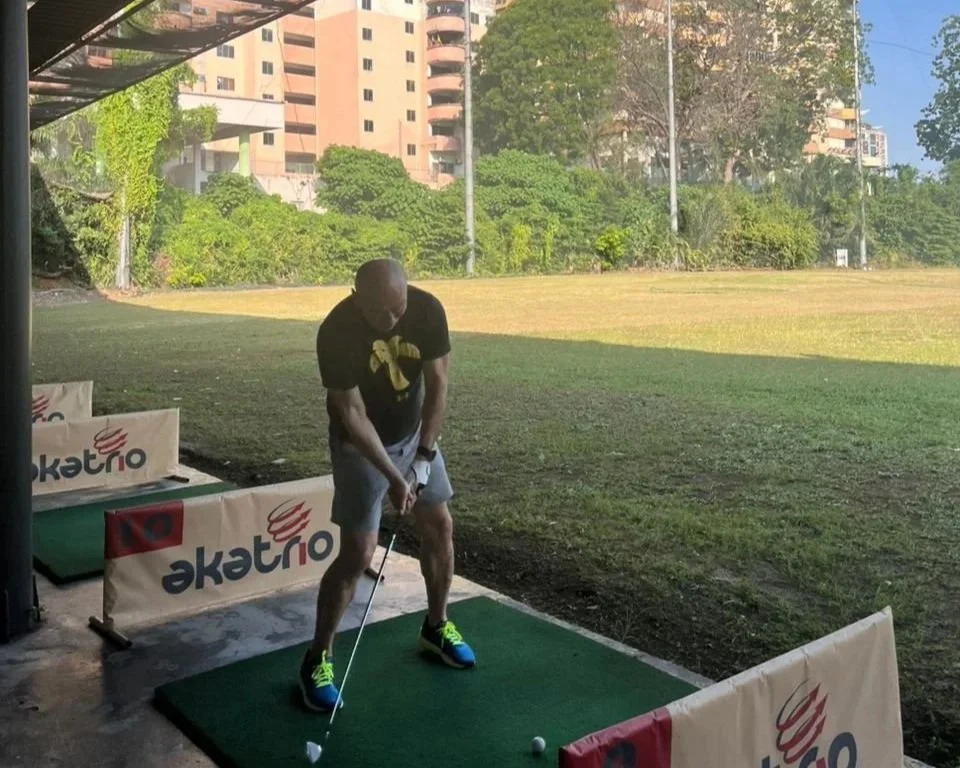
On my actual birthday in Malaysia, my friends took me to the driving range. This outing was not as new as the others, as I joined my children at the driving range and at Top Golf in the US. While I enjoyed hitting the ball when I did make contact, I knew what my problems were: my left arm needed to maintain a straight line when swinging, and I was exerting too much of my own power rather than letting the club do the work. My blistered right thumb was proof that I was holding the club too tightly.

The day after, my friends in Kuala Lumpur invited me to their weekly badminton. Badminton is very popular in Southeast Asia, as indoor badminton courts are everywhere. Other than my stint at playground badminton during elementary school days in Korea, I could not remember the last time I played with intention. Again, I was properly humbled as my body was so tight and rigid that I did not have the kind of agility that is needed to play badminton well. I blamed myself for not stretching enough, and that it was early in the morning. After one hour of chasing the shuttlecock, my friend casually remarked that I was exerting too much power.

There was an unexpected theme of letting go, emptying, and “letting the game come to you.” As with yoga, driving ranges, badminton, and even cycling, loosening up and being in the flow is a counterintuitive art to learn and relearn. This realization naturally prompted me to reflect on areas of my life where I hold too tightly, try to control obsessively, or exert too much “power” and effort. What would it look like to let the game come to me? As soon as I ask myself this, I remember the mantra prayer, “Trust the river I am on,” which I have relied on for many years. This wasn’t a new lesson but a prudent one I needed to be reminded of.

A MORNING WALK

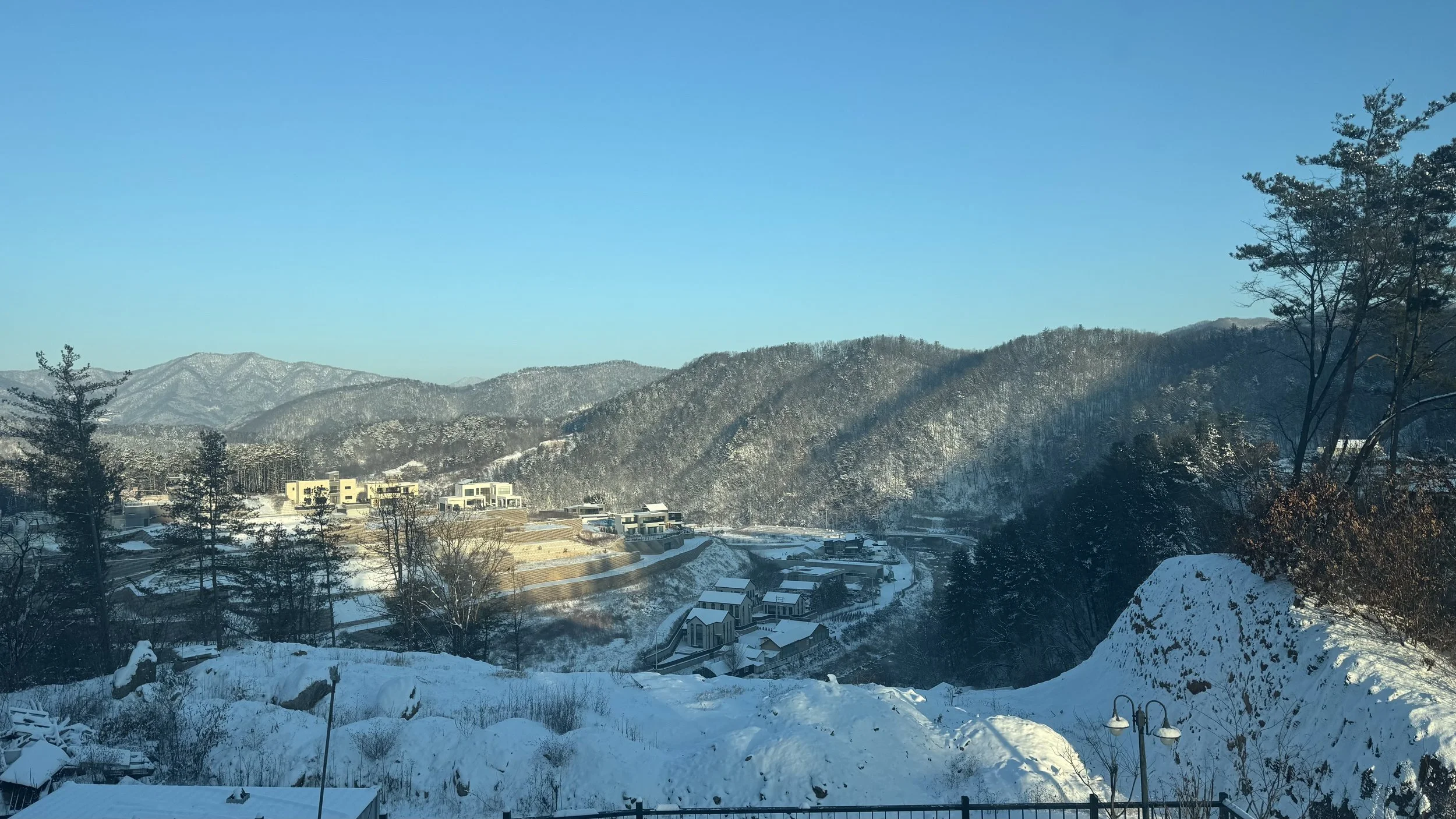
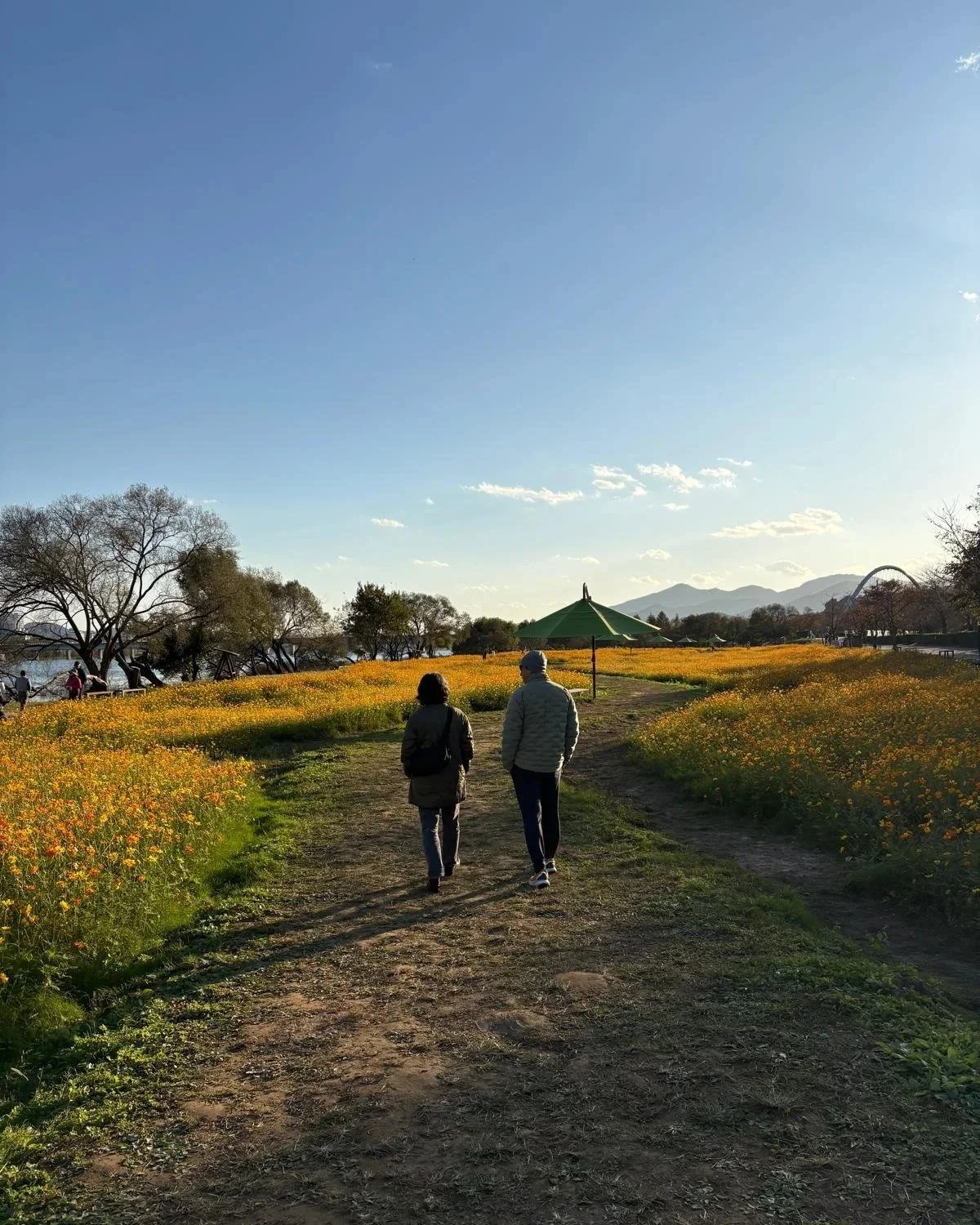
I wrote the poem below on March 10, a week before we left for the US. As our one-year stay in Malaysia was coming to a close, I took walks around our neighborhood, savoring the time we had left. I think I can remember what I felt when I wrote this. That’s what poetry does, like a song lodged in memory, frozen in time. Partly to visit our friends and partly to escape the cold in Korea, we will swing by Malaysia (and Singapore) for a month in January and February. We will be conducting a few rounds of Suji Enneagram workshops in Singapore and Malaysia. And simply to connect and cherish our time with dear friends in those lands.

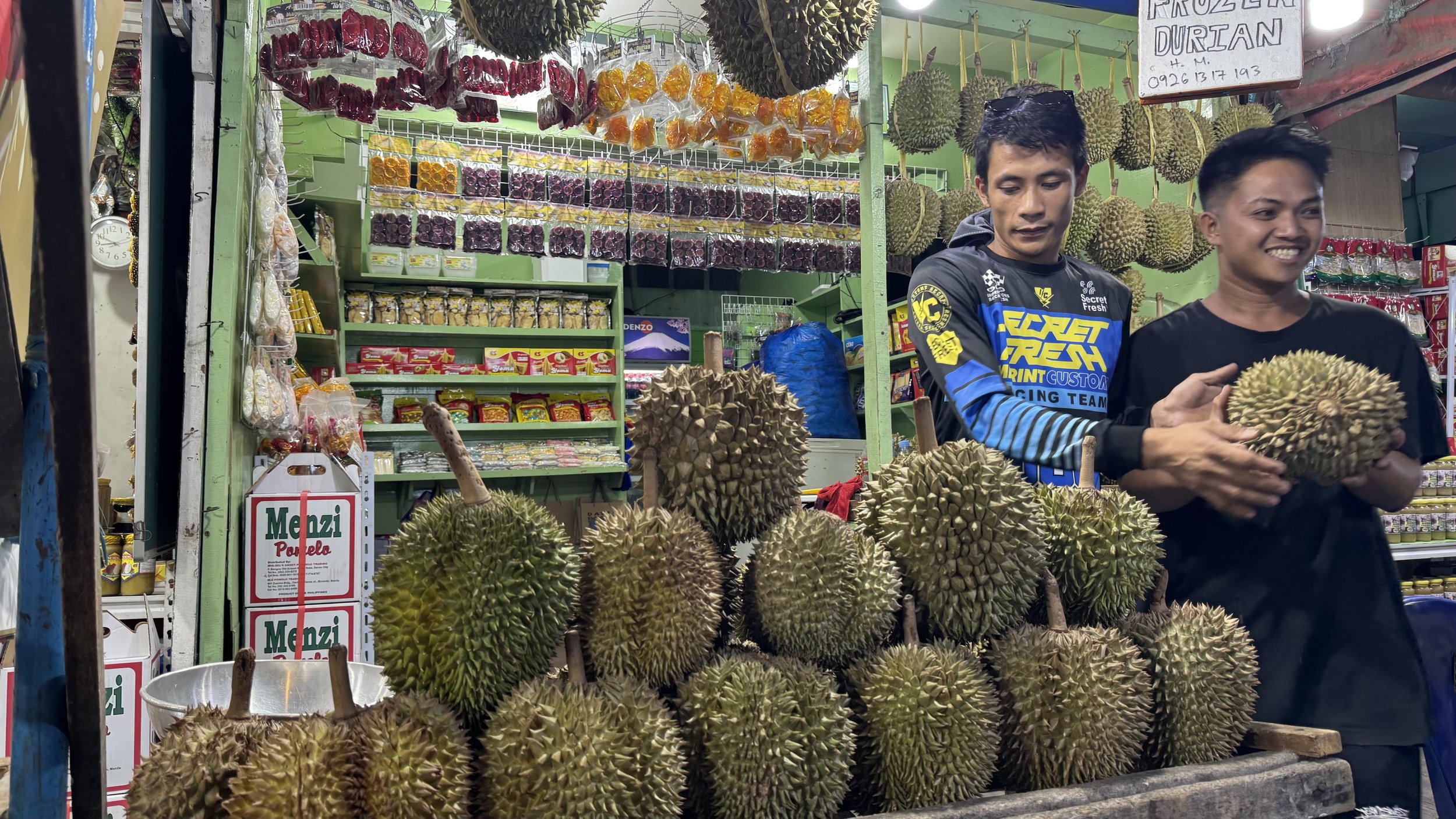
My heart ached as we left the Philippines after a recent ten-day visit. We were quite busy with speaking engagements and meetings, and spent an inordinate amount of time sitting in cars due to traffic. When indoors, we relied on air conditioners all the time, even though they said it was cooler this time of year. On the contrary, I was cold most of the time indoors and looked to buy a jacket, but came up empty-handed. After swatting away and slapping a few mosquitoes, we then flew down to Davao City in Mindanao (for the first time). Then there were durian parties, I mean feasts, twice. The second time was one in the morning when a friend of our hosts brought durians from her farm. After traveling back to our small inn, since the inn wouldn't allow durians on the property, we huddled outside by the parking lot and devoured durians (speaking for myself) and went to bed full of durian in my stomach.

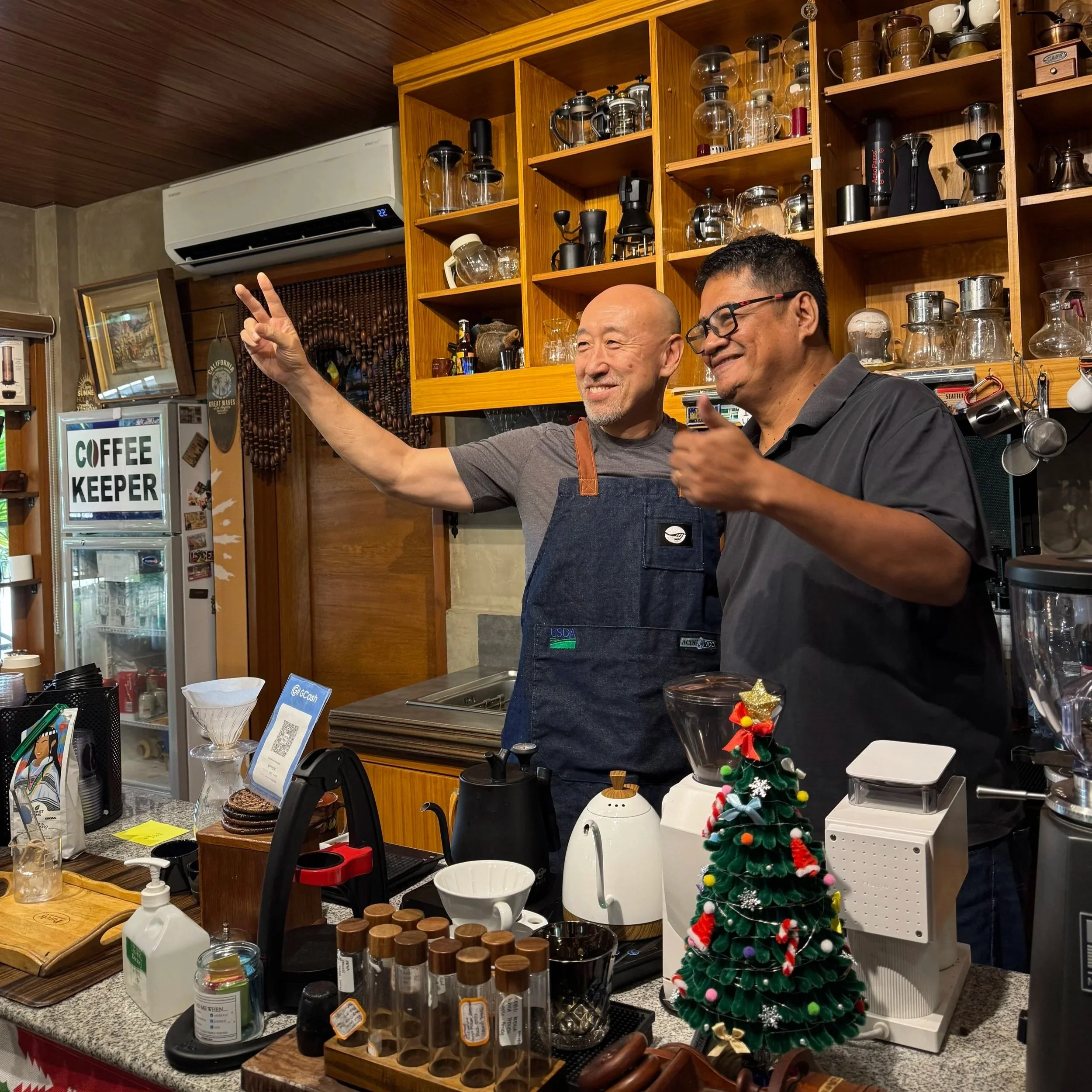
While in Davao City, specifically in Tagum, we visited a local cafe, Coffee Keeper, owned and run by a pastor's brother, and held a short retreat. My wife led a time of reflection and sharing. My tears flowed freely as I listened to a small group of people share what they heard from God. They represented those who were poor in spirit and pure in heart. I sensed God’s heavy, happy presence, delighting in each of us. Our hosts, Pastors Ruthie and Joey, envision training at the grassroots level to foster a spirituality that combines contemplation and action. As they expressed a desire for partnership, we shared with them that we are ready to help and assist.

The owner invited me behind the counter and gave me a privilege to handbrew coffee for our friends

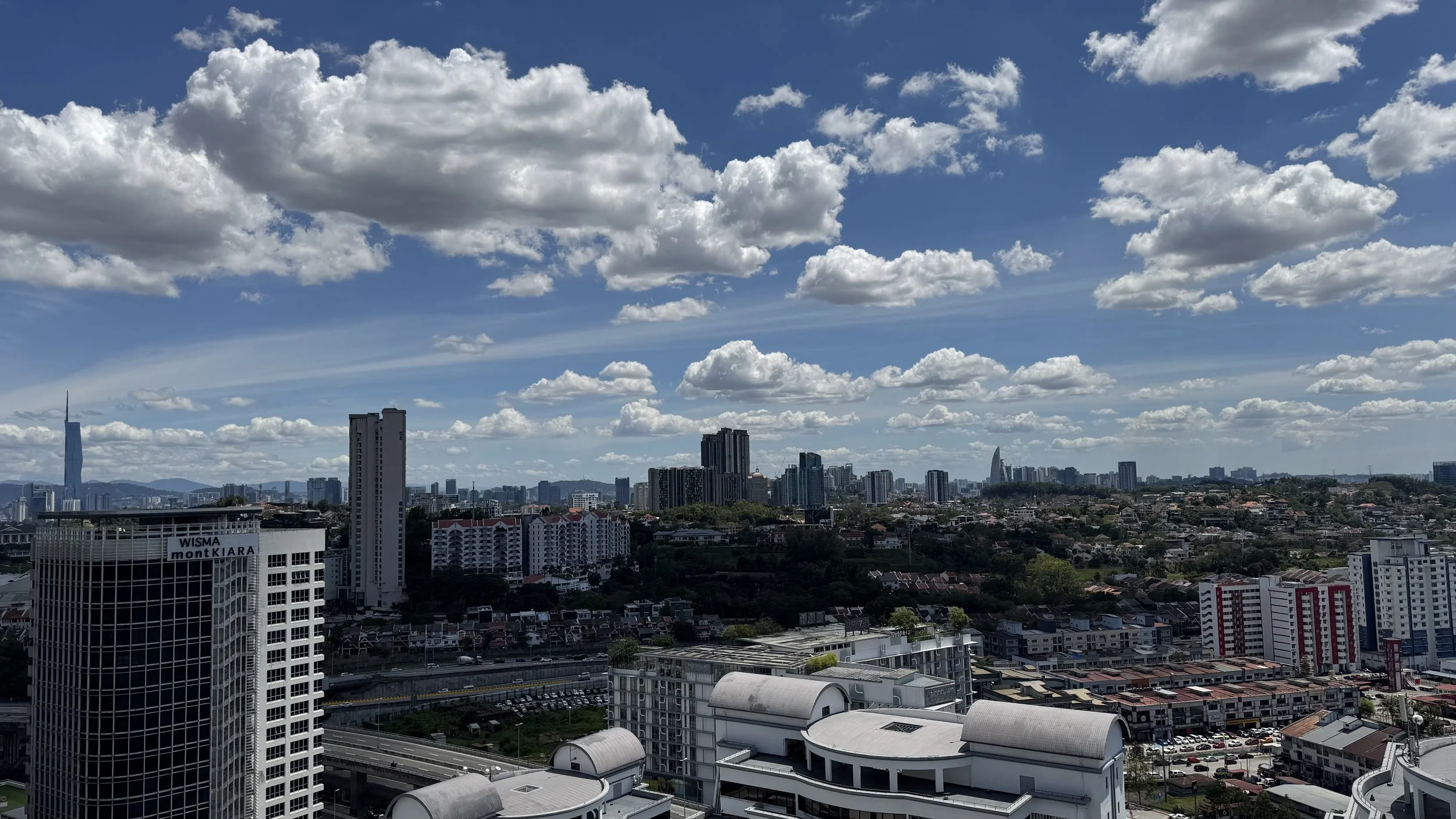
Time in Malaysia is coming to an end, for now,
what was once strange became familiar, mundane
lazy morning with motorbikes making the loudest sound
with unmistakably dull whizzing city sound in the background
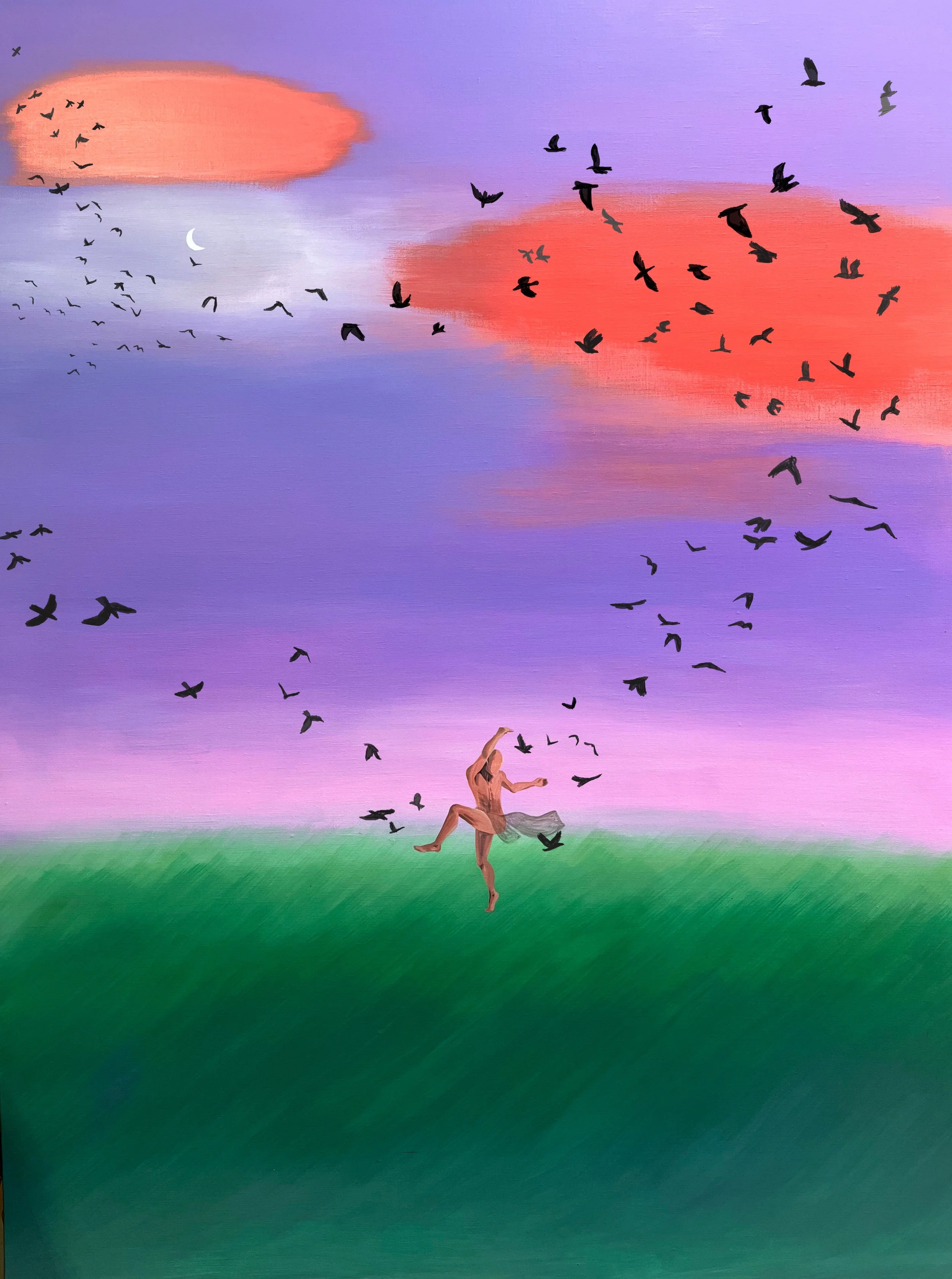
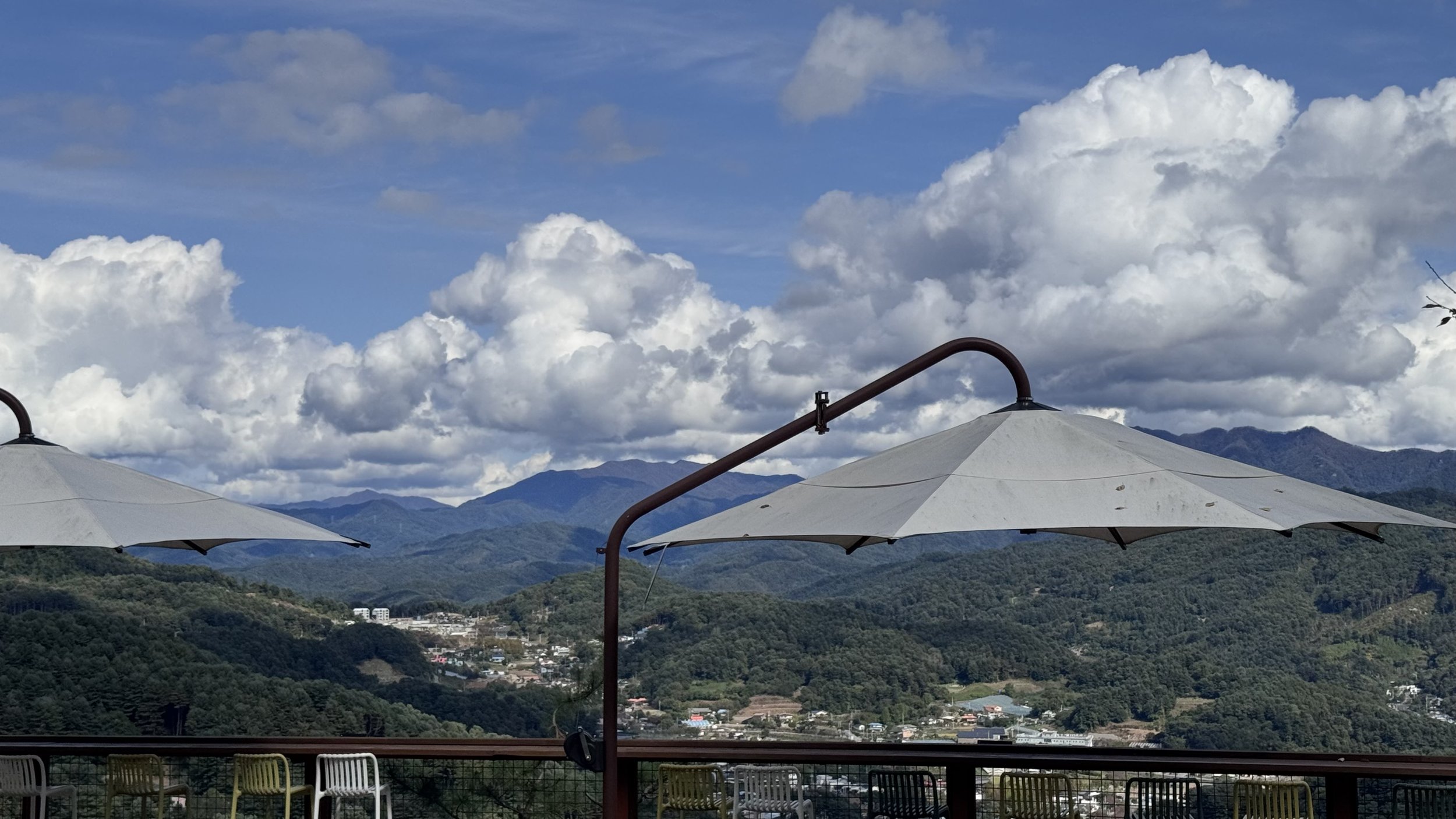
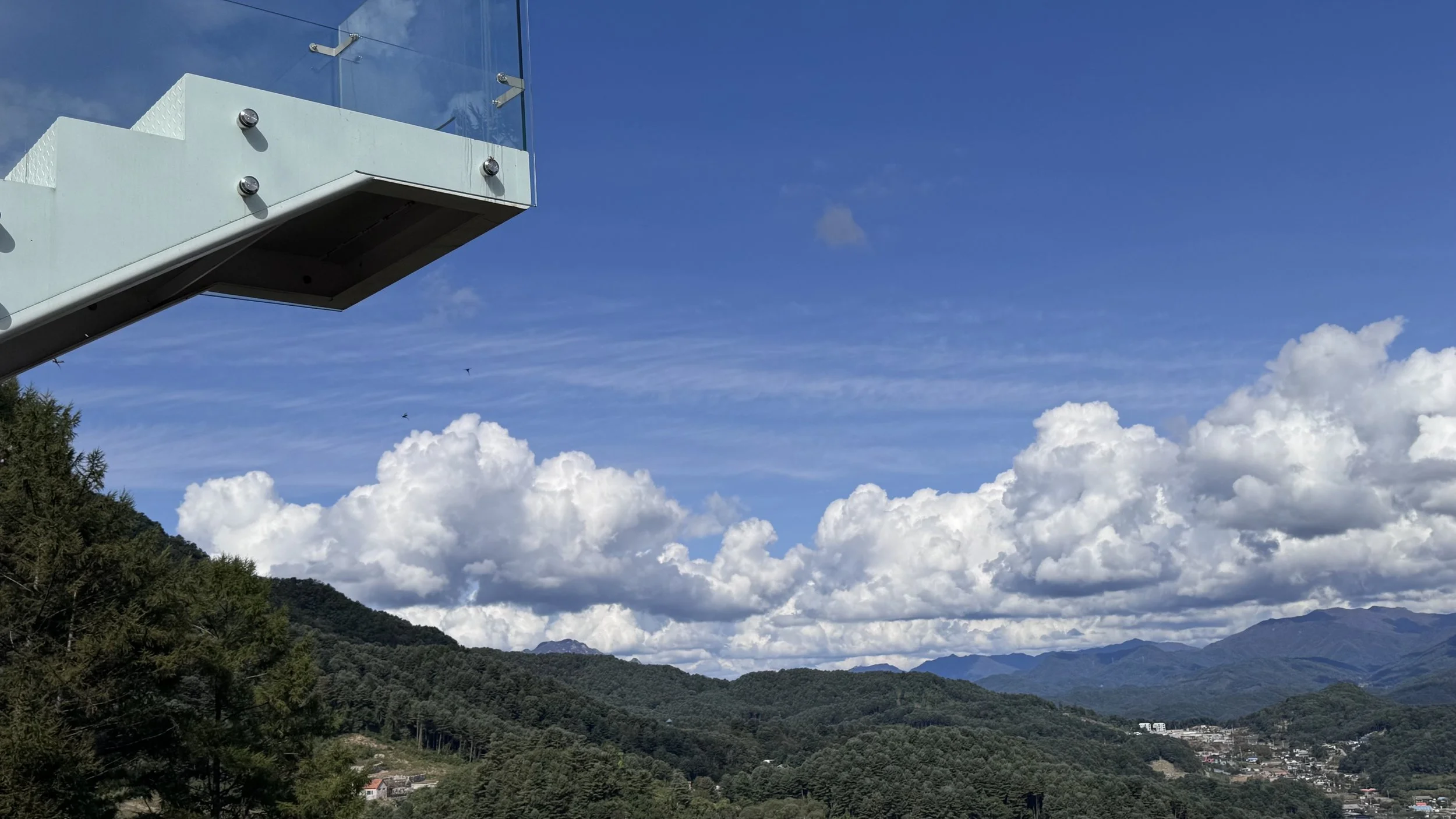
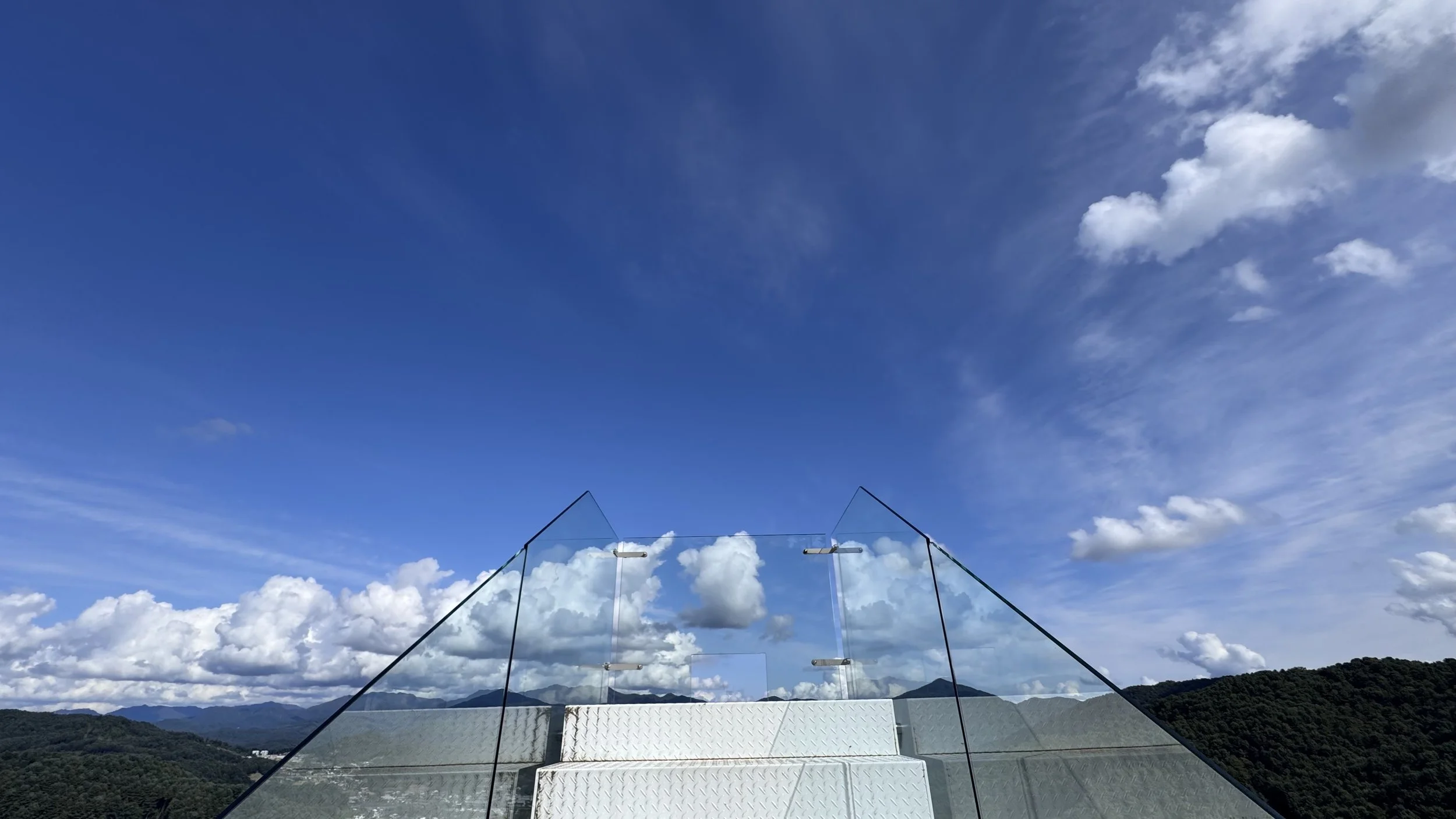
but the undisturbed sky majestically boasts its signature blue with cotton cumulus clouds
reminding the city dwellers to look up occasionally
never without demands, if in need of courage, inspiration, and imagination.

It must be time for school
while I hear no birds calling
I hear children whistling and chirping from near and far
joyful and excited notes
replacing the morning birds of all kinds
moms busy saying goodbyes and sending them off to school
and the world so they can learn to fly on their own.

I too was once a chirper, eager to test my wings
fell flat many times
simple-minded, forgetful enough to keep trying
because I knew I could fly
with sky as a friend.

WHAT IFS

We are currently in Davao City in the southern Philippines (Mindanao), visiting Ruthie and Joey’s church and their family. We have been asked to facilitate a few workshops and attend some of the family and church’s milestone celebrations. When we told some of our friends in Manila that we would be visiting Davao City, the first thing they told us to do was to eat durians. We are happy to escape the cold in Korea and wear flip flops and shorts all the time. We will fly back this Friday and spend Christmas for the first time since 1976 in Korea.

I wrote the above poem on August 14. I do not recall the specific context, except that our grandson was born on August 11. What I vaguely remember is rumination on light and darkness, life and death. So, I started with the last stanza and worked my way back, expanding it as I went.

What if colors have sounds
what if wind has facial expressions
what if dogs can speak
what if four seasons become one monotonous season?

What if there is only one kind of everything, including us
what if there is no history, the story of everything, both hidden and revealed
what if there is no word for the future
what if there is no access to the present?

What if change never happens
what if we could not travel
what if we are stuck where we were born
what if when we feel like we are flying, we are actually being carried?

What if sadness is beauty, and beauty exists because of terror
what if anger is wisdom, and wisdom to discern a way forward
what if pain is glory, and the crown of glory can be worn through death
what if joy is a clue and key to our true being?

What if tears are windows to our souls
what if smiles can melt away fears and hatreds
what if laughter is the sacred act of letting go and letting in
what if the combination of smile and tears forms the rare ecstasy, a doorway into heaven?

What if life is not light
what if death is not darkness
what if life and death are the same
what if we are already one with the One and with all?

“COME AND SEE”

By the time you read this post, we will have landed in Korea, dazed with jetlag, but hopefully in bed. Not to sound too dramatic, this post stands as the culmination of the last five years of reflecting and writing. Flying over the Pacific Ocean is a good symbol for our threshold crossing. A new chapter awaits us. As always, thank you for reading.

Again the next day after John stood, and two of his disciples;
And looking upon Jesus as he walked, he saith, Behold the Lamb of God!
And the two disciples heard him speak, and they followed Jesus.
Then Jesus turned, and saw them following, and saith unto them, What seek ye? They said unto him, Rabbi, (which is to say, being interpreted, Master,) where dwellest thou?
He saith unto them, Come and see. They came and saw where he dwelt, and abode with him that day: for it was about the tenth hour.

John 1:35-39, KJV

During one of the recent group spiritual guidance sessions, we did Lectio Divina on the passage above. After I shared my reflection, someone in the group mentioned the word, abide, which is more often translated as remain. The word lingered for a few days afterward.

The word abide was the favorite of the Apostle John, appearing eight times in John 15 alone. (Out of 120 total occurrences of the word in the New Testament, John penned more than half of the total in the Gospel of John and his epistles.) As the Spirit descended and abode upon Christ (John 1:32-33), John urges us to abide (remain) with Christ. This rich language channels the very heart of the union, which is the main thrust of the Gospel of John. To abide means to be in union with Christ and the Triune God.

Before I considered the invitation to abide, my initial felt invitation was to “come and see.” The words “look and see” are the most repeated action verbs in the passage above. There is the action to look upon or behold, which is more equivalent to searching for awe and curiosity. Then there is seeing, first by Jesus, then by the disciples. Perhaps our seeing always follows Jesus’ seeing us first. We think we see first, but Jesus has been seeing and watching us all along. We see because Jesus saw us first.

I, too, have been doing a lot of looking, searching, for the last five-plus years. After locating Jesus, I followed Jesus as I have been accustomed to. However, in many ways, this path of followership was new to me, as my life was at a very different place. The calling to follow Jesus is not a static one but involves live interaction with my present life, making it novel and fresh every day. After the exchange of seeing, I imagined Jesus gently and plainly inviting me to “come and see.” No hesitation on the part of the disciples, as there is no hesitation on my part. What immediately follows is the scene of abiding. Incidentally, the words dwelt and abode are the same Greek word.

Concurrently, I have also been reflecting on the paragraph by John O’Donohue.

At any time you can ask yourself: At which threshold am I now standing? At this time in my life, what am I leaving? Where am I about to enter? What is preventing me from crossing my next threshold? What gift would enable me to do it? A threshold is not a simple boundary; it is a frontier that divides two different territories, rhythms and atmospheres. Indeed, it is a lovely testimony to the fullness and integrity of an experience or a stage of life that it intensifies toward the end into a real frontier that cannot be crossed without the heart being passionately engaged and woken up. At this threshold a great complexity of emotions comes alive: confusion, fear, excitement, sadness, hope. This is one of the reasons such vital crossing were always clothed in ritual. It is wise in your own life to be able to recognize and acknowledge the key thresholds; to take your time; to feel all the varieties of presence that accrue there; to listen inward with complete attention until you hear the inner voice calling you forward. The time has come to cross.

O’Donohue’s rich and wise words echo the dynamic part of following Jesus as we all face and cross the thresholds multiple times in our lives. As “it is not a simple boundary” but a “frontier that cannot be crossed without the heart being passionately engaged and woken up,” I experience every single emotion of confusion, fear, excitement, sadness, and hope.

Confusion cultivates listening to every aspect of one's inner being (body, mind, heart, and soul) and leaning into its wisdom.
Fear is the guttural call to summon courage and faith into action.
Excitement is energy to face the unknowns and uncertainties and to invite curiosity.
Sadness is the invitation to let go of the old and let in the new.
Hope is the eternal spring of goodness and mercy.

Then the “inner voice calling me forward” comes, which stands because God’s voice has been calling me, ever so patiently.

The time has come to cross, to abide.