“A SHOWER”
The small auditorium was packed to the brim. We arrived at least fifteen minutes early, but within five minutes after our arrival, most of the seats were occupied. The organizers were quick to bring out extra chairs along the aisles, but YouTube Live became the last resort for the overflow audience in a separate room. The audience was mature, casually dressed, and could have been all poets and writers. The ambiance was warm, and the room was buzzing with calm excitement.
The draw was none other than the beloved Korean poet, Na Tae-Joo. I accidentally discovered the talk as we drove by Hwang Sun-Won House of Literature, Sonagi (A Rain Shower in Korean) Village, which we do every day, and is within walking distance of our house in Yangpyeong. Coincidentally, a few weeks earlier, my wife and I went to a bookstore in Seoul, as it is our pastime. I picked up Poet Na’s poetry books, and his poems grabbed me so much that I took several pictures of the pages for future savoring.
The venue was named after “A Shower,” a much-loved short story by Hwang Sun-Won written in 1953. I remember reading the story as a requirement in junior high school, and it left my innocent heart fluttering. Connecting the serendipitous dots between the bookstore and the talk, I knew I needed to be there.
A petite, round man in his early 80s, he donned a plaid beret, which looked like his signature style or un-style (I don’t think he is trying to be stylish), as most of his online photos resemble the identical look. With his eyes twinkling, he was quick-witted and even self-deprecating at times. He openly shared his two failed one-sided loves with humor and compassion, which became the fertile ground for his earlier poignant poems in his teens and early 20s. Though an educated man, his love and flair for poetry started early, despite poor grades in secondary school.
Normally a stoic listener, I was engaged and took notes on my phone. As there were many points to ponder further, I latched on to a few thoughts immediately. One of his earlier lines, “살아있는 것을 사랑하세요,” which translates as “Love the present that you are alive,” captured the sentiment I am in right now. Every day is given to me as a gift, and I am to discover what is in store for me. After that line, which was not even the main point, he got my devoted attention. He talked briefly about how poets are not into invention (making something out of nothing), but discovery (seeing the new, surprise, and invitation in the mundane, old, and what we take for granted). He used the word “Eureka!” when describing discovery. Discovery cannot happen without loving and accepting the present. No wonder 70 percent of all poetry is about seeing and paying attention. Moreover, his sight is that of a “minor,” (his language) not the entitled or the high. At least, he wants to retain the sight. The world opens up from the low vantage point of the minor, not from the top. “Writing poetry is a lot like picking up discarded and thus forgotten gems and sharing with the world,” he said.
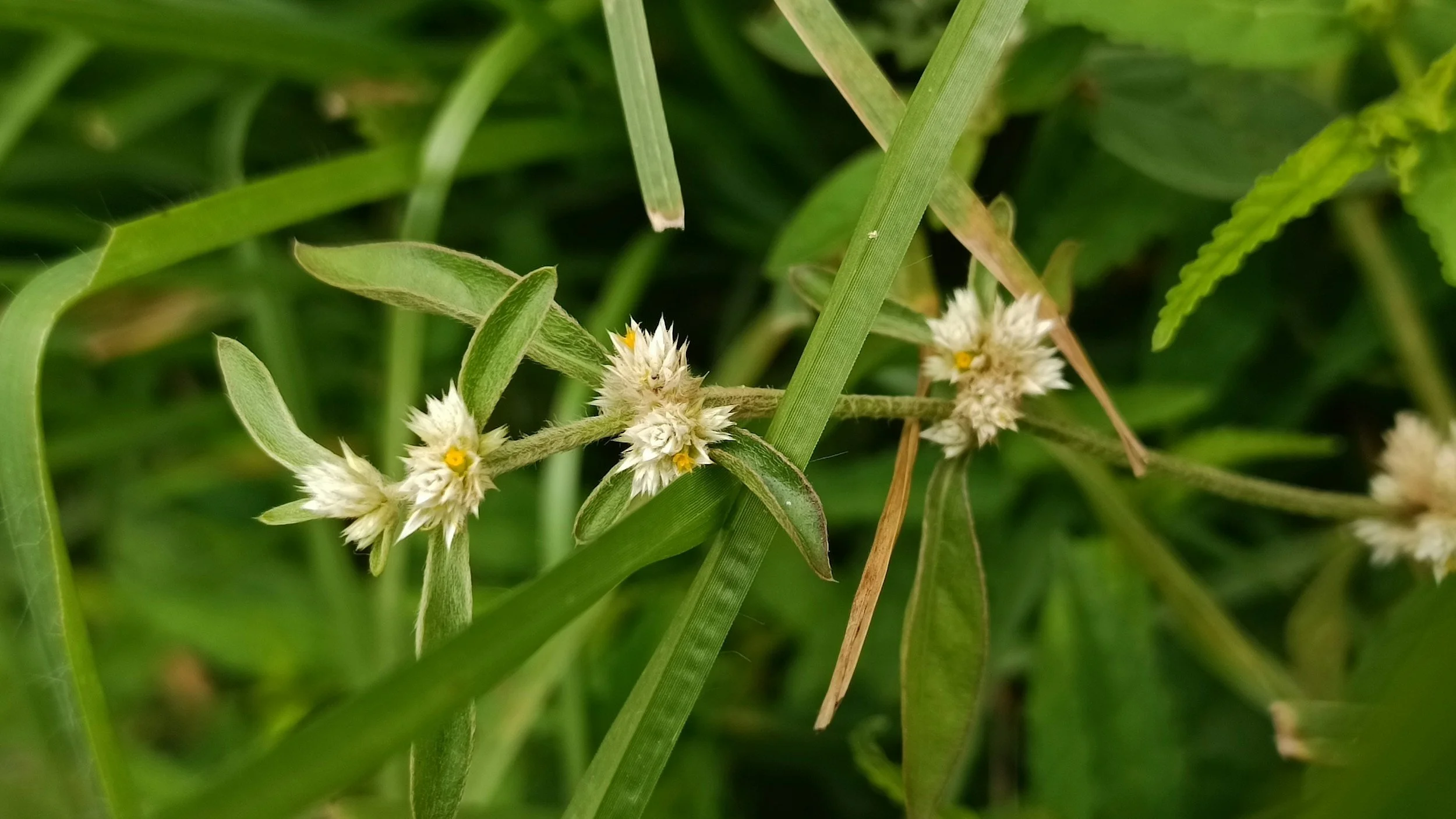
In one of his most beloved poems below, titled “grass flower or wildflower” (풀꽃), the wildflower is often ignored and too “minor,” but here it shines and fills us with universal hope.
자세히 보아야
예쁘다
오래 보아야
사랑스럽다
너도 그렇다
"Only a closer look can find it pretty.
Only a long look can find it lovely.
And so it is with you."
Somehow, the English translation does not do justice to the original, as poetry is almost impossible to translate well in any language. The invitation is to take a close, long look, and then one will see something pretty and lovely. At one point, he made the audience break out in laughter. “Do you know what this means? It means it was not pretty or lovely at first sight.” Then, in this uber-short poem, there is a sudden twist (or Volta, to “turn” in Italian) that draws the reader in the last line. What was personal and intimate turns into a universal and inclusive message for all.
In this season, poetry, to me, is a spiritual mandate to stay and linger in the present with a view from below. My soul quietly resonated with his view that poetry is to be useful, to make people come alive, and to heal.