INTEGRATION
The idea of integration, specifically in the context of spiritual formation, captured my imagination in the last week or so. As I was trying to find words to describe, my reflection is fluid and still being formed. I decided to share my forming thoughts in this post, inviting you to reflect along with me. Drop me a note or two if you want to share your own thoughts.
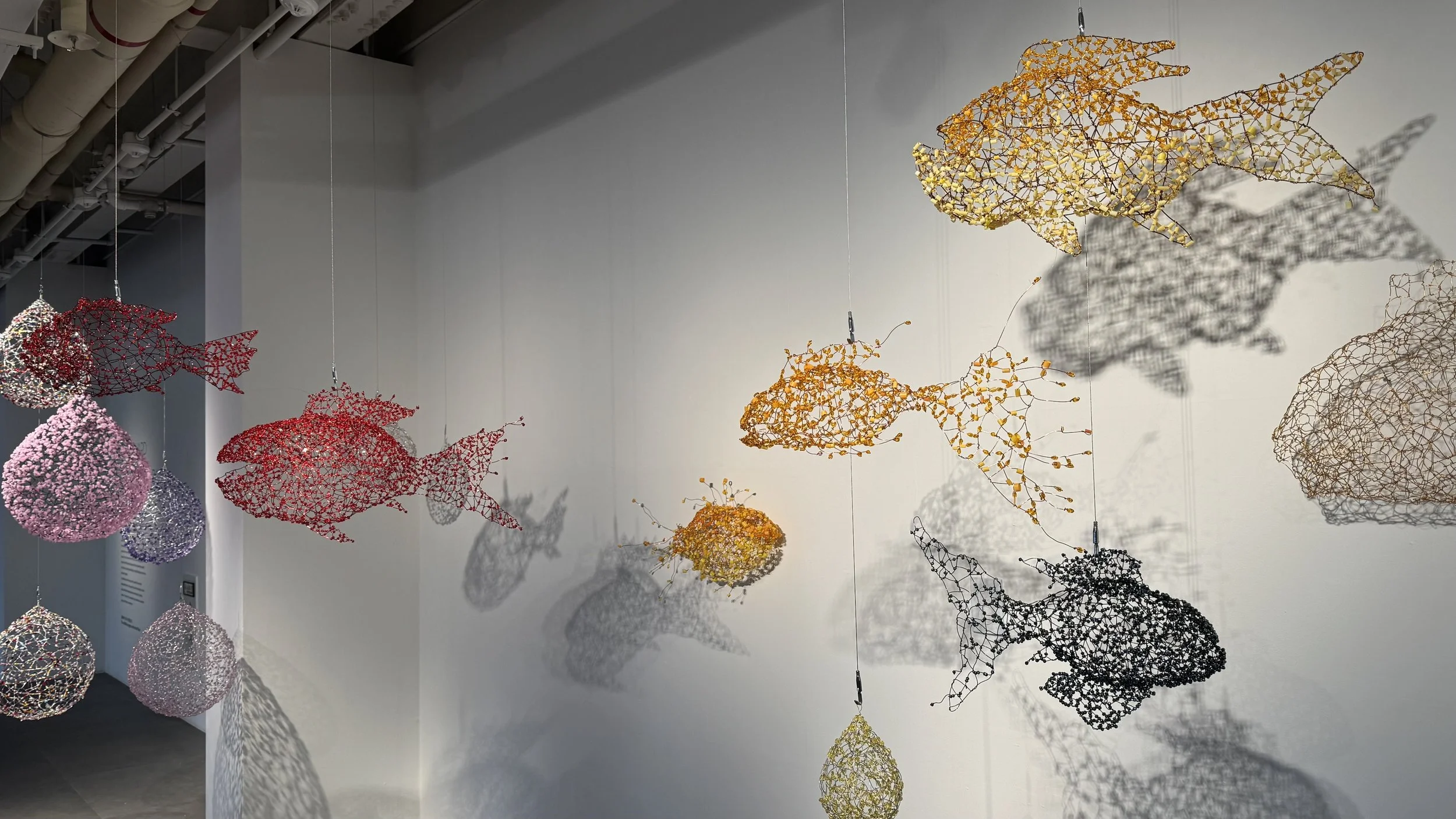
The life of love is the life of integration. Conversely, the life of integration is the life of love. The life of love means that integration becomes the lens through which we see all and everything in life. As the opposite of fragmentation, integration is concerned with wholeness, as the Latin root word suggests, and is not pitting parts against others. Biases and prejudices are known barriers to integration. More precisely, it is the unknown and unrecognized biases and prejudices that remain detrimental to an integrative outlook in life, as it is impossible not to have biases and prejudices.
Integration is broad and accepting, recognizing everything without waste, even our sins, failures, and imperfections. Perhaps it is better to say that it is because of imperfections that we develop an integrative perspective. Therefore, integration does not mean perfection. Instead, it acknowledges shortcomings, failures, and sins as parts of the whole, while still maintaining the ability to see the entire picture. We begin to realize that everything is connected and interdependent. None of us is entirely good or entirely bad; we are both. A non-dualistic approach leads to greater awareness that God is present in everything and everywhere. In contrast, the world offers a divided, narrow, and controlled view that tends to fragment and shrink things.
Integration is not to be confused with convergence. In short, convergence occurs when our being merges with our doing in the context of needy external realities, creating a dynamic synergy between who we are and what we do. Experiencing convergence is a rare feat in life as it carves out a specific calling and purpose in the world. Convergence is the “coming together” of our internal and external realities, resulting in our unique, fruitful contribution.
Integration allows us to step outside of ourselves since we are a part of the bigger reality and see the bigger picture. In other words, we are far more concerned with the whole, and our integrative outlook may lead to action or perhaps non-action. Our output or productivity no longer defines us. Integration radically bears and connects all as one and whole.
It is not hard to accept that integration involves my whole being, intrapersonal, my unique history of family, cultures, and my decisions and choices. Integration also embraces interpersonal elements in our lives, including family, friends, the many communities we belong to, and even one-off, serendipitous chance encounters. Additionally, there are “interpersonal” dimensions of past mystics and saints with whom we have been conversing and learning from. Integration assumes that we see ourselves with compassion for our sinnerhood and humility for our sainthood. None of us is an island. And yet we all are distinct and unique. Then there is the God element, God’s pursuit of us, just as we are. God is the willing, constant invader of love, wooing us and leading us to love God and love the creation. Our God is the very definition of the perfect Integer.
God has been tirelessly showing each and every one of us that the goal of the integrative perspective is love. God as Love invites us to love God and love everything God created, as best as we can, including ourselves, others, and otherness. This wholistic perspective is both revelatory and revolutionary. And that is how God and God’s Kingdom come to us, perpetually.
Apostle Paul’s commanding words of “love bears all things, believes all things, hopes all things, endures all things” speak of God as Love. God “bears all things, believes all things, hopes all things, endures all things.” As God’s image bearers, the word “all” is the very focus and goal of integration.