GRATITUDE

As has been the tradition in December, I would like to highlight a few poems, five poems to be exact since there are five Tuesdays. This year, I will also be sharing a few of my own, including my reflection and/or background of each poem.

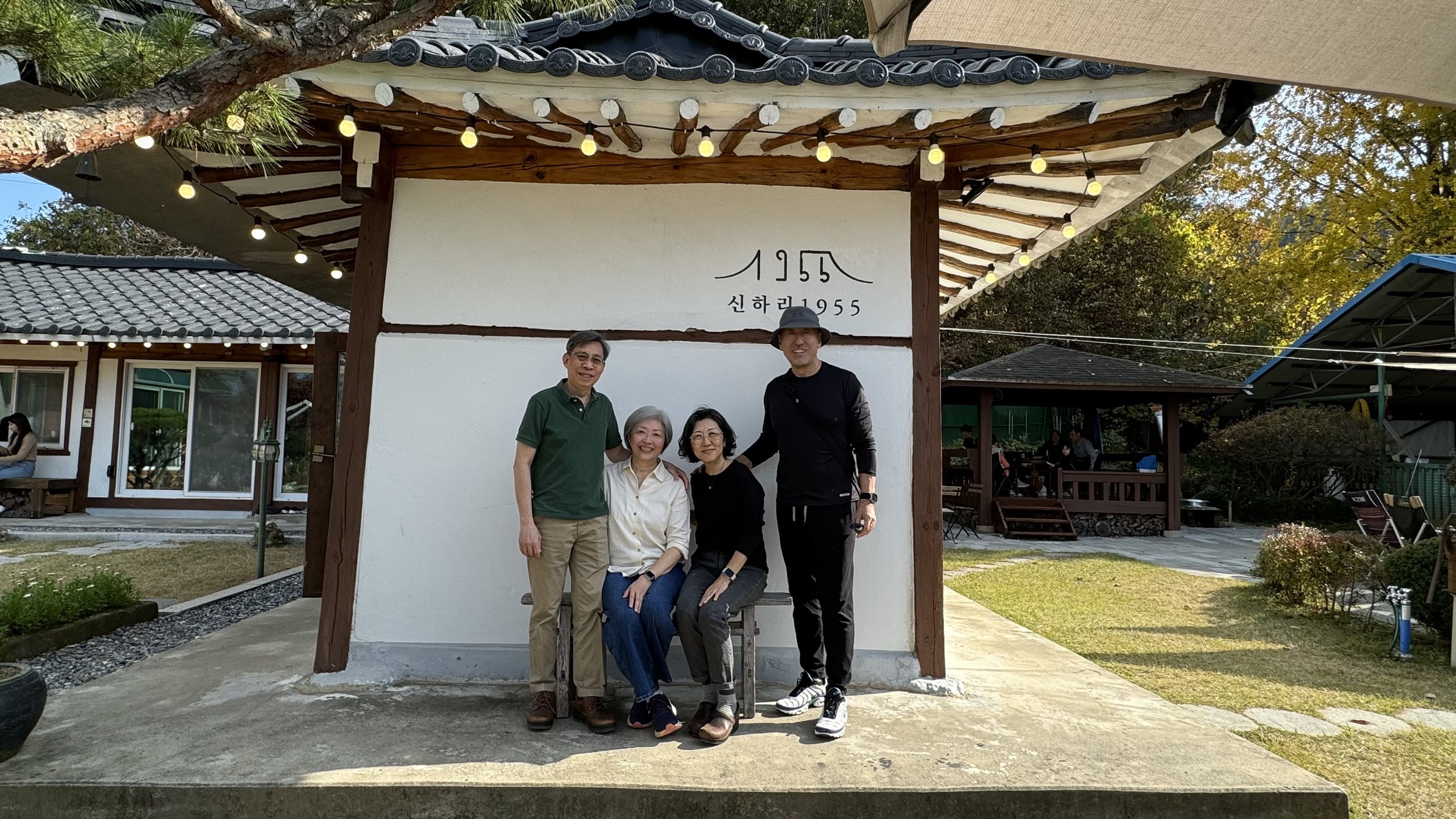
If you are tracking with us physically, we will depart Korea on December 2 to the Philippines for my Opening Residency at the School of Spiritual Direction (SSD). After the residency, I was asked to preach at a church where I preached the last time I was in the country. We fly back to Malaysia only to fly to Singapore for a weekend to spend time with our friends. Starting on December 17, we will be in Malaysia. We host some people from Korea in January. Then we fly back to the US in early February until June.

My wife shared to a group of Zoom participants the other day, “We are happy because we are grateful. It is not that we are grateful because we are happy.” She was giving credit to Jim Wilder, an expert on spiritual formation and brain science, among other things. My blunt paraphrase, talking to myself, “Be grateful, dummy if you want to be happy.” The modern incessant pursuit of happiness emphasizes happiness for happiness’ sake. As such, it is easy to trace how happiness remains so elusive that it becomes an impossible and endless pursuit. When is “more” enough?

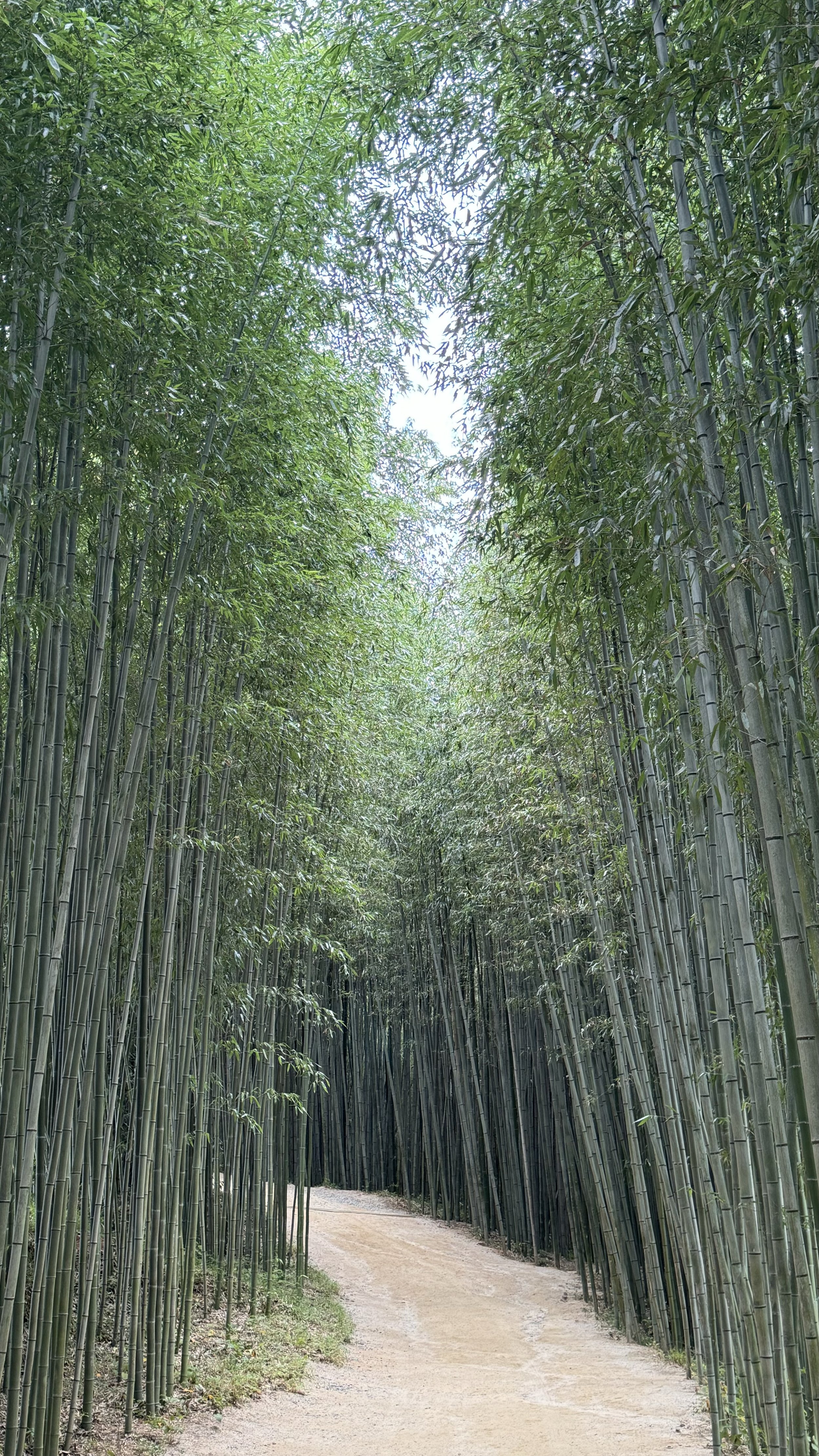
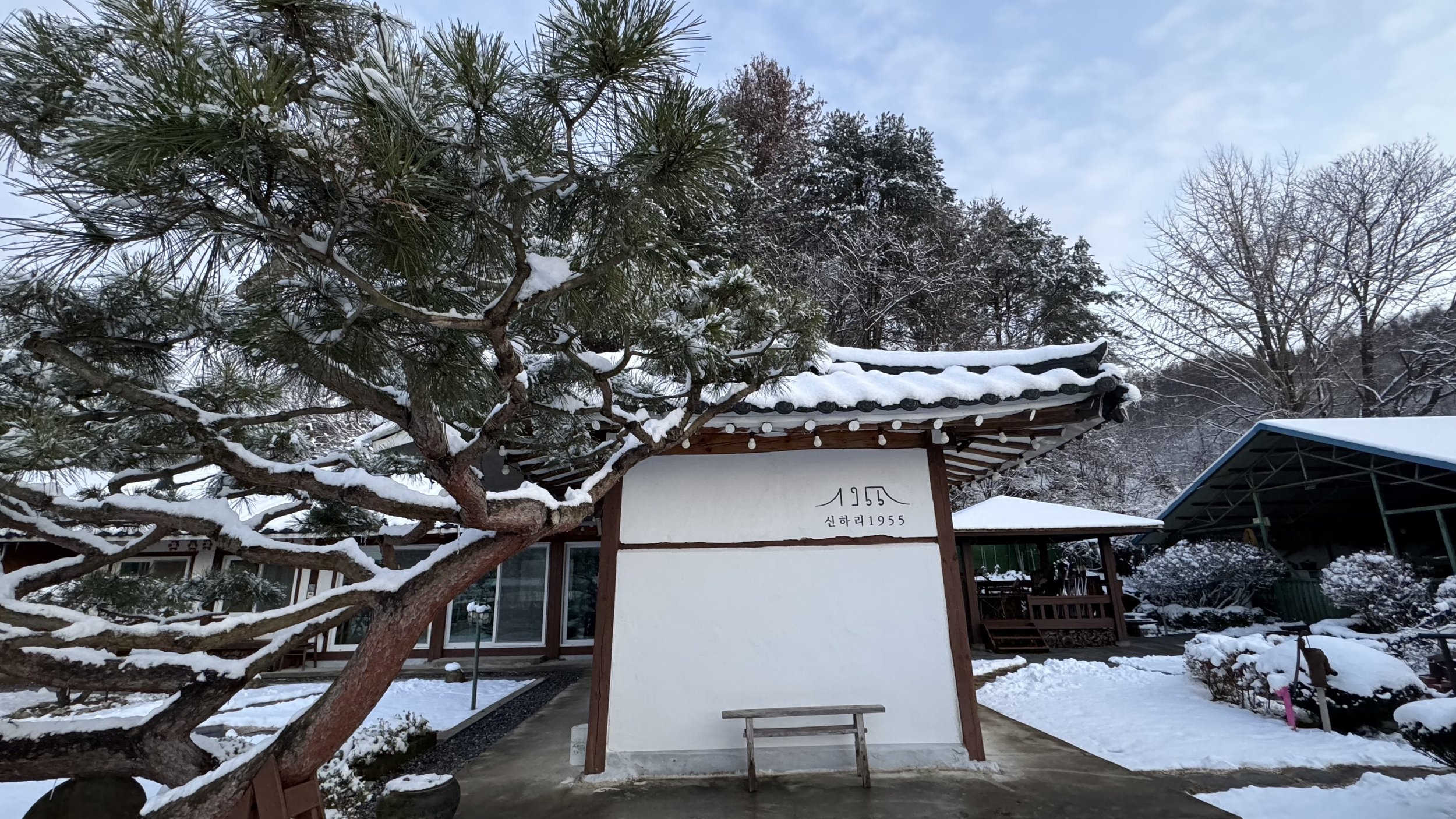
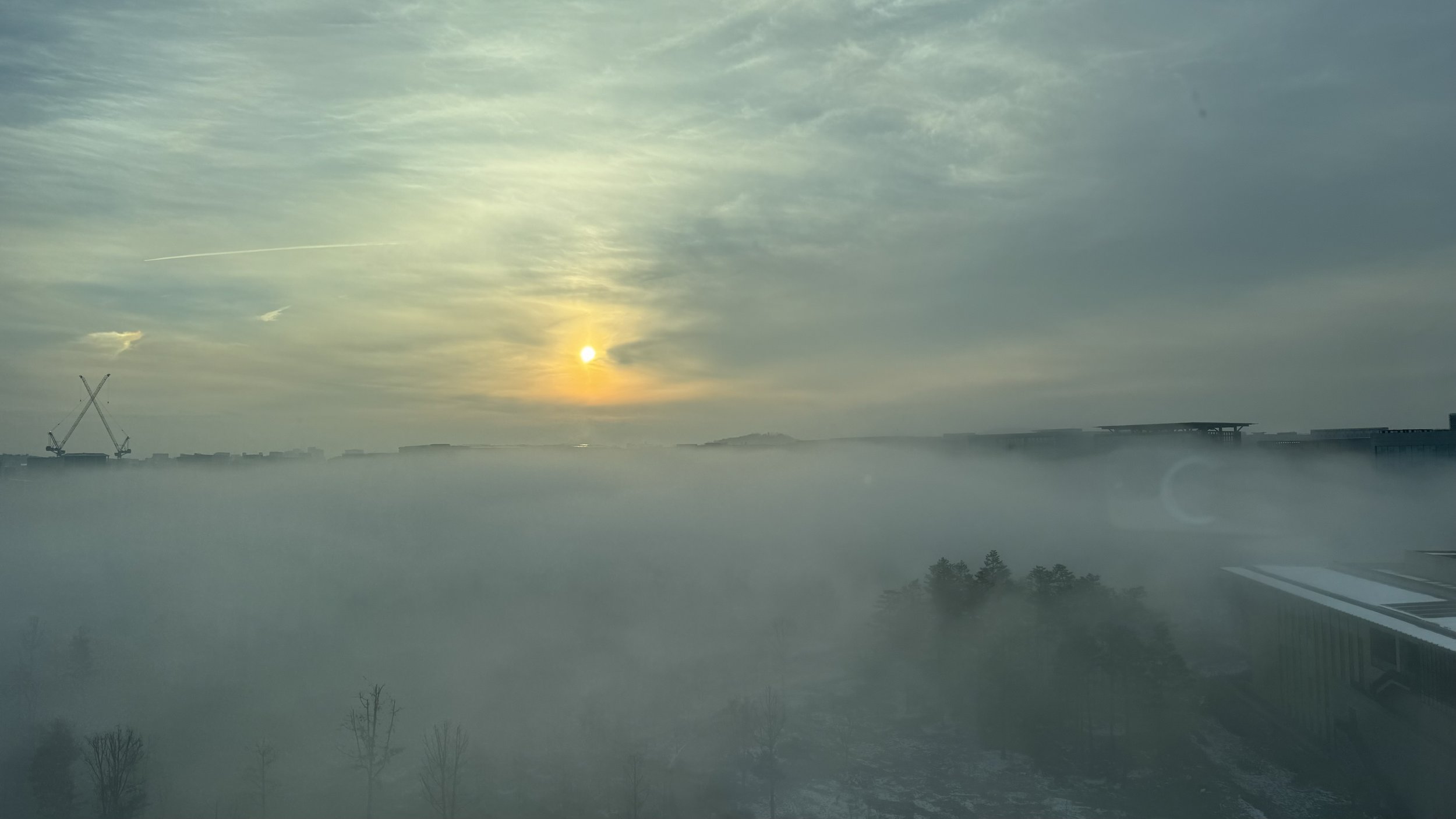
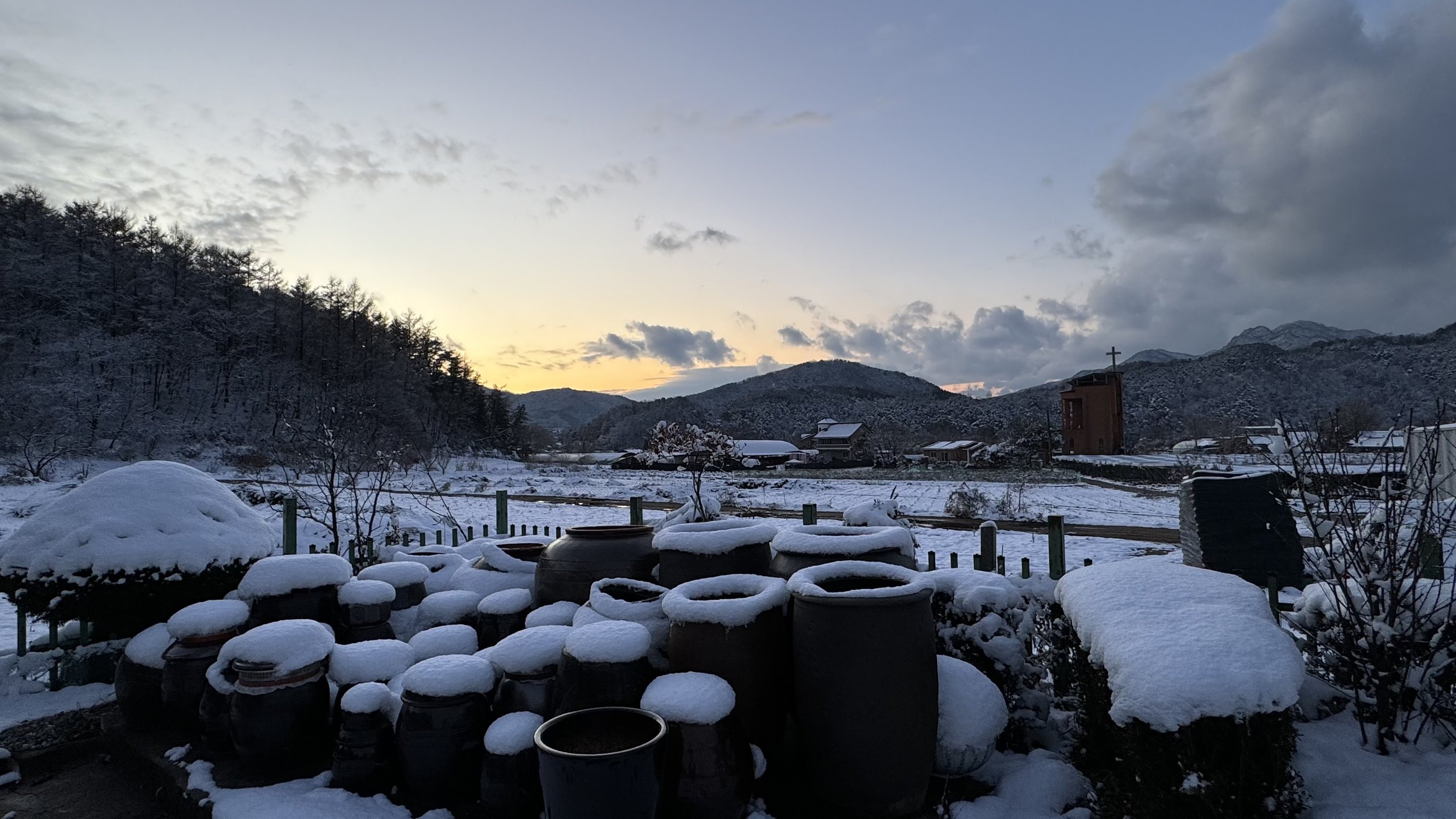
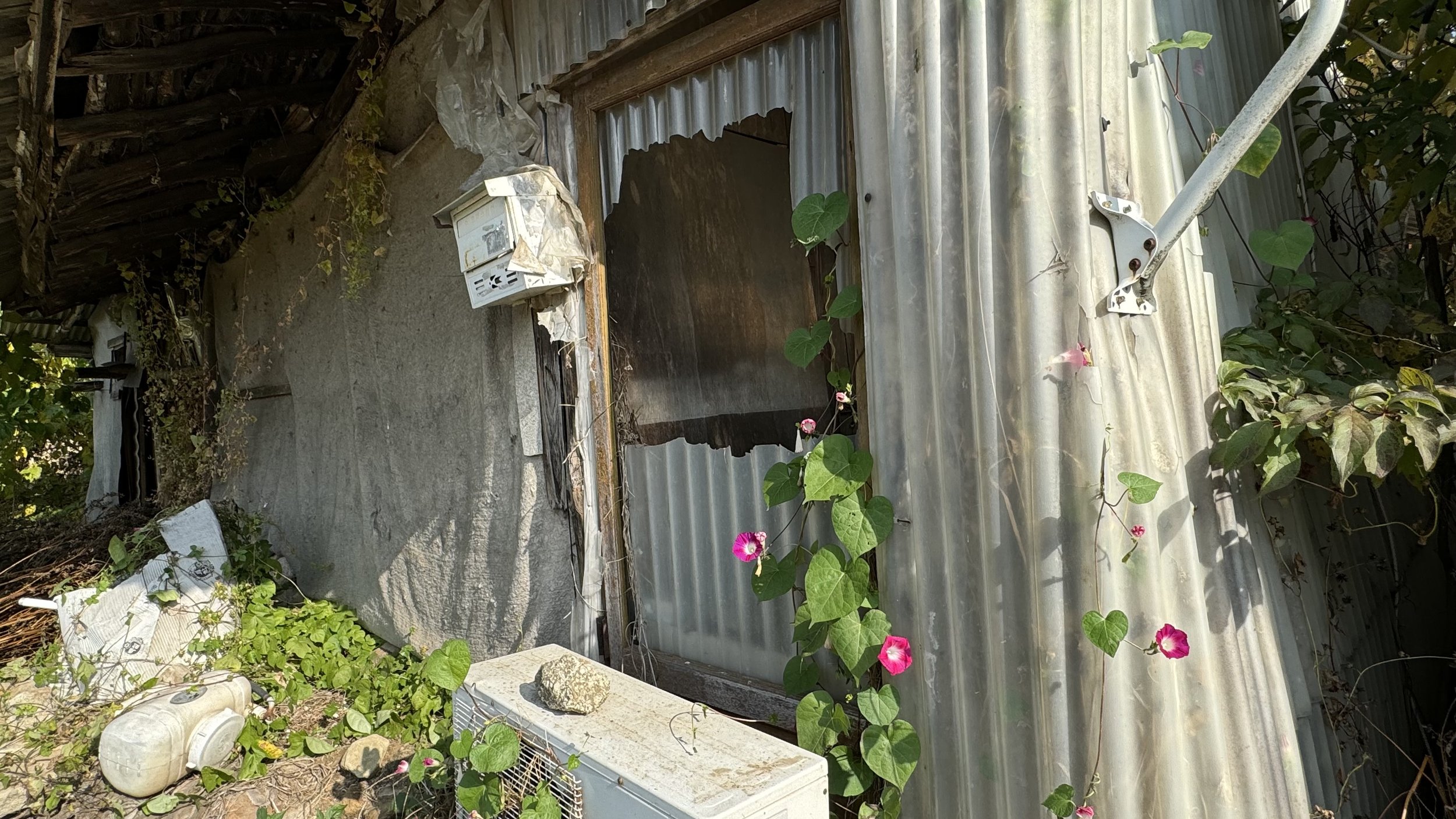
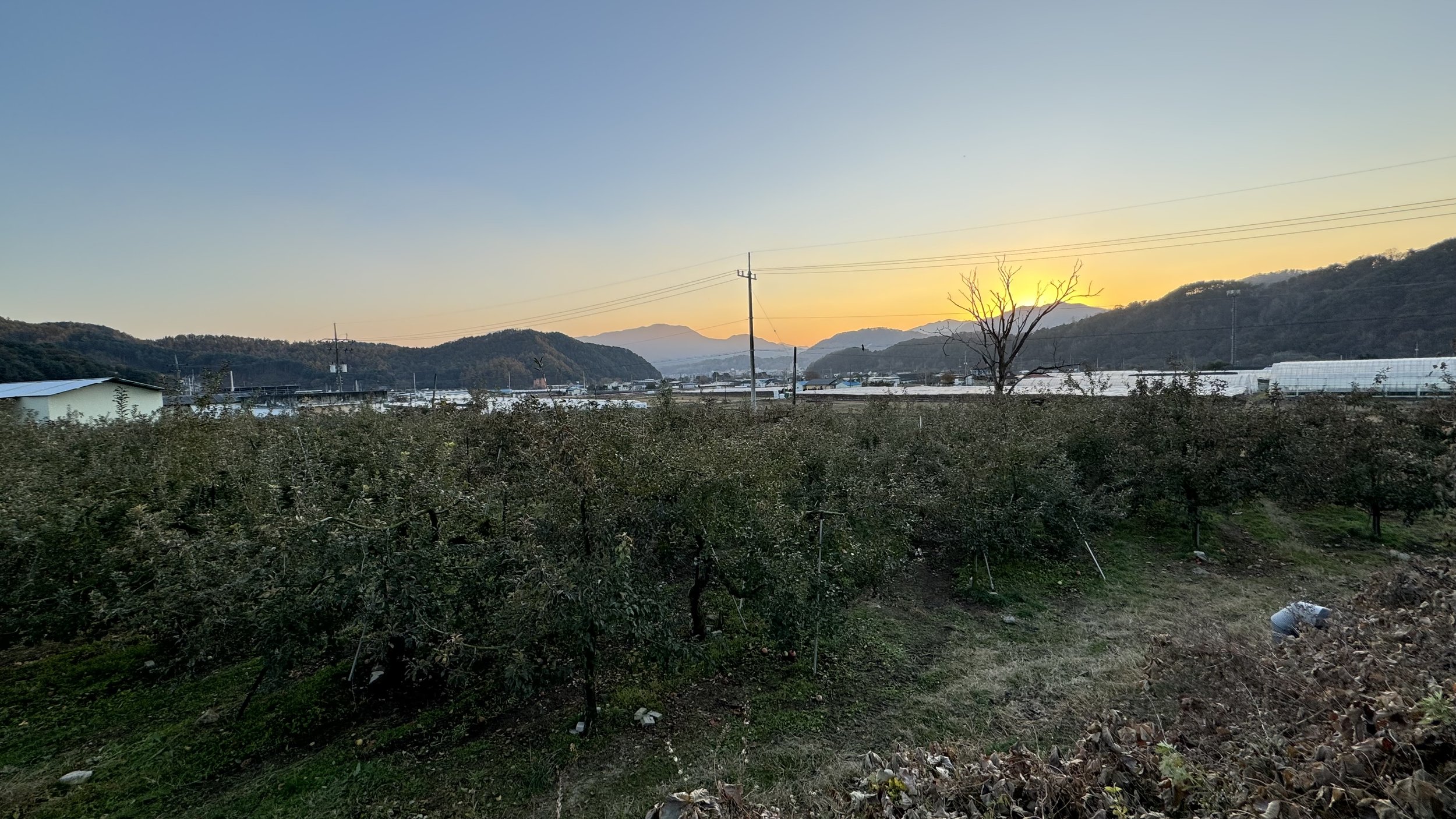
When the script is flipped and our focus is squarely on gratitude, happiness is a natural by-product with no effort necessary. When we seek and pursue gratitude at all levels, happiness comes to us as gifts. Happiness is like guests, arriving with gifts we often do not foresee and deserve. How do we cultivate the heart of gratitude? By starting from small and mundane levels of gratitude. . . Often, it is the scene or the view, from demure and hidden from our eyes to breathtaking, random, and unexpected kindness, last-ditch moments of grace, a phrase from background music, etc. How can I not be grateful for a hot bowl of Sulllungtang followed by Hotteok on a cold night? Which without failure would make me smile in happiness . . . Easily, there are thousands more examples. I am already hyping myself for forecasted snow tonight in gratefulness. . .

The preeminence of the pre-requisite of slowing down, even stopping, and paying attention is what is a necessary groundwork for cultivating gratitude. In other words, it is almost impossible to arrive at small and potentially unseen and unrecognizable moments of gratitude unless we slow down, at the very least. No wonder, this remains elusive for modern humanity whose success depends on a fast-paced life for more and more.

Then there are life-altering gratitude events being dropped on our laps. With uncalloused muscles of our heart ready to flex its muscles toward gratitude, we can effortlessly enter the grand gratitude gate. A few of those big gratitude gates we have entered this year are highlighted. How can we not be grateful for Malaysia, our more than capable home base this year, for people, its multicultural cuisine (me more than my wife), ease of travel, safety, low cost of living, guests who visited us, and most importantly, the community of friends? How can we not be grateful for new connections, friends, and the community we are now part of? How dare we forget and not be grateful toward God who prepared our way and tirelessly led us forward? How dare I forget and not be grateful for myriads of tender seeings, hearings, and touches of reality as reality enfolded, toward wonder, warmth, and mystery? How it is easy for me to be grateful for our adult children and spouses who carved out time to visit us and create memories that would last a lifetime.

Looking back, I realize there is yet one more requirement: the practice of letting go and living without entitlements. Holding on or demanding respect due to my title, experiences, or pedigree would be a death knell for I operate with the mindset that I must be thanked or honored. Gratitude would be hard-pressed or disingenuous. Entitlements function like a formidable inner fortress that needs to be demolished for gratitude to enter fully and freely. For a small example here in Korea, I find it freeing not to have a ubiquitous business card with my name on it. Whenever I meet new people, they hand me their business cards only to be reciprocated with nothing from my end. (It is not that they come across as entitled but only to highlight that the existing modus operandi is based on titles and degrees.) I crack my sheepish smile and apologize every time. Frankly, I would not know what to put on my card even if I had one. I suppose I am revolting in my small way to tell the world to get to know me beyond the card, take time, let us share our lives, and learn to feast.

In this season of harvest celebrations all over the world before the winter comes, feasting on happiness and laughter of joy can arrive once we do our part of slowing down and letting go to open the door to gratitude. Gratitude is like an unending supply of kindling that would maintain the fire to keep us warm in the “winter” of our lives.

AN ACORN AND YEAST

I participated in a group spiritual guidance session a week ago where I presented my reflection. We employed imaginative reading of Scripture, and I identified with one imagined character in the story. I saw myself as a gentile sitting in the back row of a synagogue as this story unfolded. The familiar story came alive, and days later, I found myself still lingering on the passage. I knew I had to write it out. Thanks for reading, as always.

Luke 13:10-21, The Message

He was teaching in one of the meeting places on the Sabbath. There was a woman present, so twisted and bent over with arthritis that she couldn’t even look up. She had been afflicted with this for eighteen years. When Jesus saw her, he called her over. “Woman, you’re free!” He laid hands on her and suddenly she was standing straight and tall, giving glory to God.

The meeting-place president, furious because Jesus had healed on the Sabbath, said to the congregation, “Six days have been defined as work days. Come on one of the six if you want to be healed, but not on the seventh, the Sabbath.”

But Jesus shot back, “You frauds! Each Sabbath every one of you regularly unties your cow or donkey from its stall, leads it out for water, and thinks nothing of it. So why isn’t it all right for me to untie this daughter of Abraham and lead her from the stall where Satan has had her tied these eighteen years?”

When he put it that way, his critics were left looking quite silly and red-faced. The congregation was delighted and cheered him on.

Then he said, “How can I picture God’s kingdom for you? What kind of story can I use? It’s like an acorn that a man plants in his front yard. It grows into a huge oak tree with thick branches, and eagles build nests in it.”

He tried again. “How can I picture God’s kingdom? It’s like yeast that a woman works into enough dough for three loaves of bread—and waits while the dough rises. 


I sat with my mouth open and eyes widened, trying to process what had just happened. I also felt the temperature rising in the synagogue. Toward the end, my heart burned, and I strangely felt free and unburdened.

I had known the woman suffering from severe arthritis for many years, though I have not seen her in recent years. During the years I have not seen her, she grew much worse in her condition. Her face wore scars of pain, just as twisted as her body. She must have heard the rumor that Jesus, who has miraculously healed many sinners in nearby villages, would visit the synagogue today. Perhaps a good neighbor alerted her. . .

As one of the few gentiles in the congregation who used to sit in the back, I have been attracted to the Jewish way of life, their laws, wisdom, and most of all, their God. As a latecomer and uneducated, I had many questions over the years but kept quiet and continued to attend and listen. I also heard rumors about Jesus and how he baffled and infuriated some and inspired many. This Jesus, I finally got to see and hear in person today.

He was different, remarkably and stunningly, unlike any religious leader I have listened to. His voice was tender and yet thunderous, packed with compassion and power. His eyes twinkled, almost inviting the listeners to hear beyond the words. He shed light on many questions I had, my intuition leaped with joy in agreement even to an uneducated mind. With his words being simple and easy to follow, Jesus did not waste words. The parables he shared were illuminating and penetrating.

Though the woman could not look up to see Jesus, Jesus spotted her hunched over in obvious pain and suffering. Stopping his talk, Jesus called her, touched her, and said, “Woman, you are free!” What happened next, I will never forget. Within seconds, she stood up like a new woman, standing tall and straight, her face beaming with light and glory. All the while, Jesus’ words, “Woman, you’re free,” still rings in my ear.

Not surprisingly because of what I was used to hearing about the Sabbath's teachings, the synagogue's leader was flustered and raised hell indirectly with Jesus by talking to the congregation. Jesus did not wait for a second, shot back with inhuman authority cut through the trap, and rebuked with power, remarkably couched in a question. I felt the dead weight I had been carrying somewhat unsuspectingly shattered into pieces. I could not help but shout with the loudest cheer I knew. The people in the synagogue turned back to see where the loudest clap and cheer came from, only to see me. I could not care less. . .

As all the eyes turned to Jesus again, he spoke in short parables. I knew that the acorn and the yeast referred to the arthritis woman. My heart was filled with hope and the vision of the Kingdom Jesus spoke about. While walking back to my house, it dawned on me that I too could be the acorn and the yeast. My heart strangely warmed, and I vowed to follow Jesus and his teachings. The woman’s countenance beamed with light that was not hers and I realized that I also saw the light that monolithic day.

Years later, Jesus is no longer walking on this earth. Yet, his presence remains, ever pervasively. The light in me is still alive and strong. In addition, I did not have the language the day I met Jesus, but now I know that both the woman and I were set free. She was freed from the bondage of disease and Satan. I was freed from the bondage of religious indoctrination and a system that shrinks God to a manageable and predictable God. I know how to live and let others live. They say they can see the light of freedom in me.

QUANTUM MECHANICS & INTERCONNECTEDNESS

This week, I would like to share another section of my upcoming paper. I hope you can get the gist of what I am trying to communicate. If you are interested in reading the whole thing, let me know.

In this section, I will attempt, with the risk of sounding amateurish, to ambitiously synthesize Carlo Rovelli’s phenomenal little book, Seven Brief Lessons on Physics into the preceding idea of incarnation and of being interconnected. Some portions of the book read more like poetry than a science book. First, I see God as the author and perfecter of unitive consciousness, the foundation of all connectedness. Secondly, Rovelli claims, “The very foundation of science is to keep the door open to doubt.” This statement gives me confidence and respect.

Quantum mechanics and experiments with particles have taught us that the world is a continuous, restless swarming of things, a continuous coming to light and disappearance of ephemeral entities. A set of vibrations, as in the switched-on hippie world of the 1960s. A world of happenings, not of things. [1]

A tree is not a thing, as is a rock, it is a happening. From a close to 14 billion years perspective, nothing can be seen as a thing, but a happening.

We are made up of the same atoms and the same light signals as are exchanged between pine trees in the mountains and stars in the galaxies.[2]

We are made of the same stardust of which all things are made, and when we are immersed in suffering or when we are experiencing intense joy we are being nothing other than what we can’t help but be: a part of our world.[3]

I find the above claim simply breathtaking and mind-numbing. Incarnation relates to quantum mechanics theory as all things are connected. How they are connected and how they interact remains a profound mystery. As humble subjects, we recognize God as the origin and designer of all incarnations. Listen to Rovelli below.

I believe that this example demonstrates how great science and great poetry are both visionary, and may even arrive at the same intuitions. Our culture is foolish to keep science and poetry separated: they are two tools to open our eyes to the complexity and beauty of the world.[4]

I was not prepared to read the above statements. What it reminded me of was a section I read recently from Mary Oliver’s[5] Upstream.

I would say that there exist a thousand unbreakable links between each of us and everything else, and that our dignity and our chances are one. The farthest star and the mud at our feet are a family; and there is no decency or sense in honoring one thing, or a few things, and then closing the list. The pine tree, the leopard, the Platte River, and ourselves—we are at risk together, or we are on our way to a sustainable world together. We are each other’s destiny.[6]

Rovelli and Oliver, as scientists and poets, have attempted to describe reality utilizing their trained intuitive lens and finite human language. Additionally, they know not to or dare to “close the list.” Beware of ourselves or anyone else for that matter in being the authority of choosing the list. From my personal, subjective, and experiential lens[7], my intuition concurs with that of Oliver’s and Rovelli’s and my soul knows the vision of a “sustainable world together” to be true. Before leaving this section, I must include Rovelli’s “conclusion” in his book, “It is part of our nature to love and to be honest.”[8]

It is worth bringing Ilia Delio, who has been mentioned earlier, as a Franciscan sister, theologian, and scientist (and an expert on Pierre Teilhard de Chardin), to validate the above assertion.

Christ invests himself organically within all creation, immersing himself in things, in the heart of matter, and thus unifying the world. The universe is physically impregnated to the very core of its matter by the influence of his superhuman nature. Everything is physically “christified,” gathered up by the incarnate Word as nourishment that assimilates, transforms, and divinizes.[9]

Richard Rohr was the first one who enlightened me with the differentiated concepts of pantheism and panentheism. Pantheism is defined as “God is everything.” Panentheism says, “God is in everything.” God is the least common denominator in the entire universe. Suddenly God being at the center, there is mysterious “Christified” order within disorder, unknown (and perhaps unknowable) certainty within uncertainty. I would like to close this paper with the idea of “unifying the world.”

[1] Carlo Rovelli, Seven Brief Lessons on Physics, Penguin Books, 2014, 32-33.
[2] Ibid, 64.
[3] Ibid, 77-78.
[4] Carlo Rovelli, Reality Is Not What It Seems: The Journey to Quantum Gravity, New York: Penguin Press, 2014, 88.
[5] Oliver, lover of nature, was an American poet who won the National Book Award and the Pulitzer Prize.
[6] Mary Oliver, Upstream: Select Essays, New York: Penguin Press, 2016, 154
[7] This phrase is based on my 2023 ASFM paper titled Human and Spiritual Journey as Subjective, Personal, and Experiential.
[8] Carlo Rovelli, Seven Brief Lessons on Physics, Penguin Books, 2014, 78.
[9] Ilia Delio, The Unbearable Wholeness of Being: God, Evolution, and the Power of Love, Maryknoll, New York: Orbis Books: 2013, 79.